Discipleship Resources for New Believers: A Practical Starter List
New believers do not need a mountain of resources. They need a clear understanding of the gospel, regular access to Scripture, prayer, a faithful local church, and mature Christians who will walk with them. The best discipleship resources support those relationships rather than replacing them.
This starter list is designed to be simple. Choose one resource in each essential area and begin using it before adding more.
1. A readable Bible
Start with a complete Bible in a reliable translation the new believer can understand. A study Bible may be helpful, but it should not make the page feel overwhelming. Encourage reading the biblical text first and using notes for background or difficult terms.
Our Bible reading plan for beginners begins with Jesus and provides a practical 30-day path.
2. A simple gospel summary
A new Christian should be able to revisit the heart of the faith: God is holy, humanity has sinned, Jesus Christ died and rose again, and salvation is received by grace through faith. Ask a pastor for a short resource that accurately reflects your church's biblical teaching.
Keep the gospel central throughout discipleship. Growth is not graduating from grace; it is learning to live from it.
3. A prayer guide
Choose a guide that explains praise, confession, thanksgiving, requests, and prayer shaped by Scripture. The goal is to help the believer speak honestly with God, not master a formula.
Use how to pray for beginners as a free starting point.
4. A local church
Online teaching can be useful, but discipleship requires embodied community. Help the new believer connect with a church that teaches Scripture faithfully, practices baptism and the Lord's Supper, encourages prayer, and provides accountable pastoral care.
Invite them personally, sit with them, explain what to expect, and introduce them to a few trustworthy people.
5. A mature Christian mentor
A mentor can read the Bible with the new believer, answer questions, model repentance, and pray consistently. The mentor does not need to know everything. They need sound character, humility, reliability, and a willingness to seek help when a question is beyond them.
A weekly or twice-monthly meeting with a clear start and end time often works better than a vague promise to connect.
6. A short Bible study method
Teach a repeatable process: read the context, observe the passage, understand the main point, apply it faithfully, and respond in prayer. The SOAP Bible study method is one beginner-friendly option.
For mentoring conversations, these Bible study discussion questions can help move beyond yes-or-no answers.
7. A notebook for questions and prayer
One inexpensive notebook can hold sermon notes, questions, prayer requests, answers to prayer, and key verses. Encourage honesty. Questions are not enemies of faith; they are opportunities to search Scripture and ask wise people.
8. A Scripture memory plan
Begin with a small number of foundational passages about the gospel, assurance, prayer, temptation, and Christian identity. Learn them in context and review them regularly. See how to memorize Bible verses for seven practical methods.
9. A daily Scripture cue
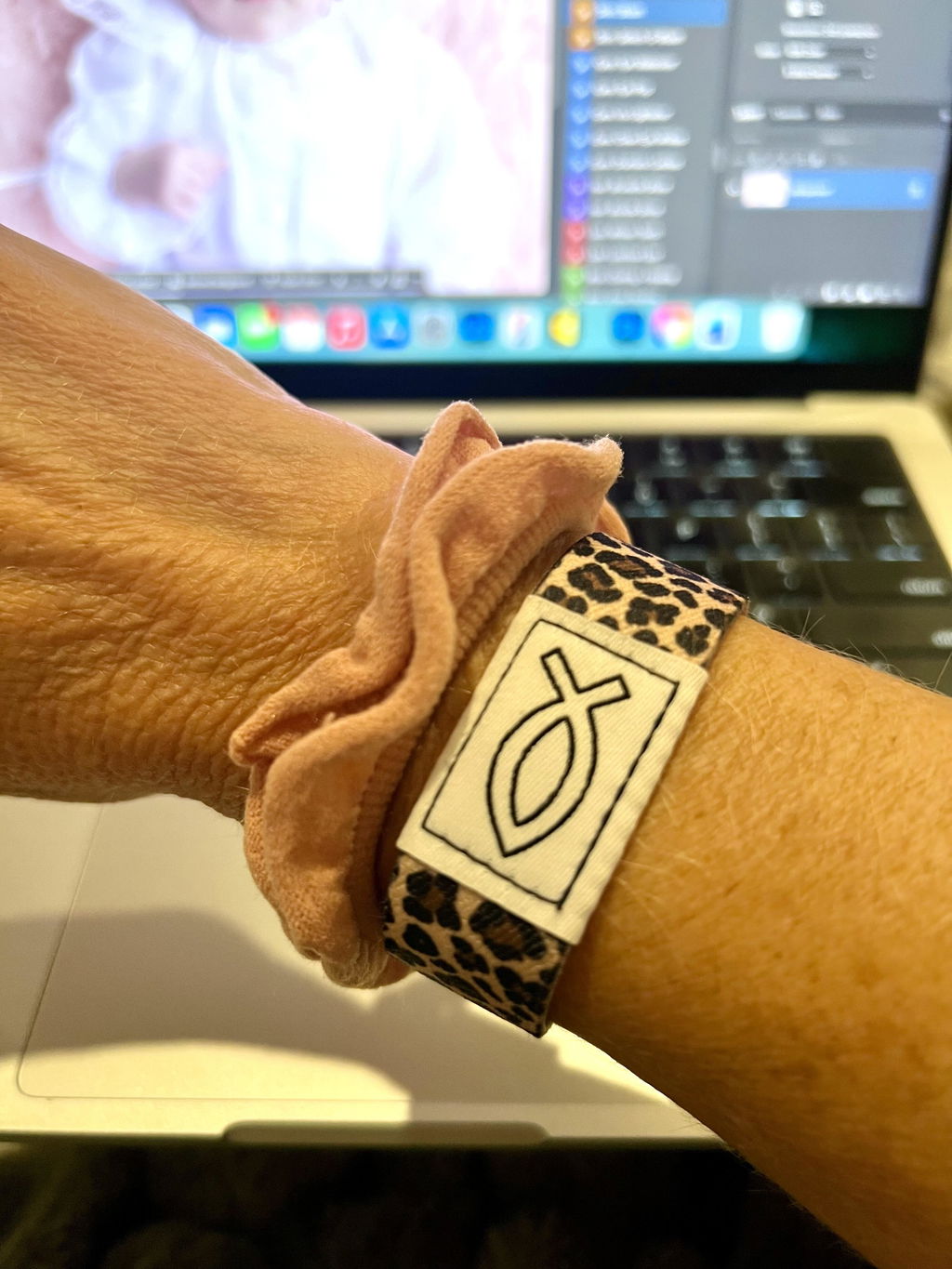
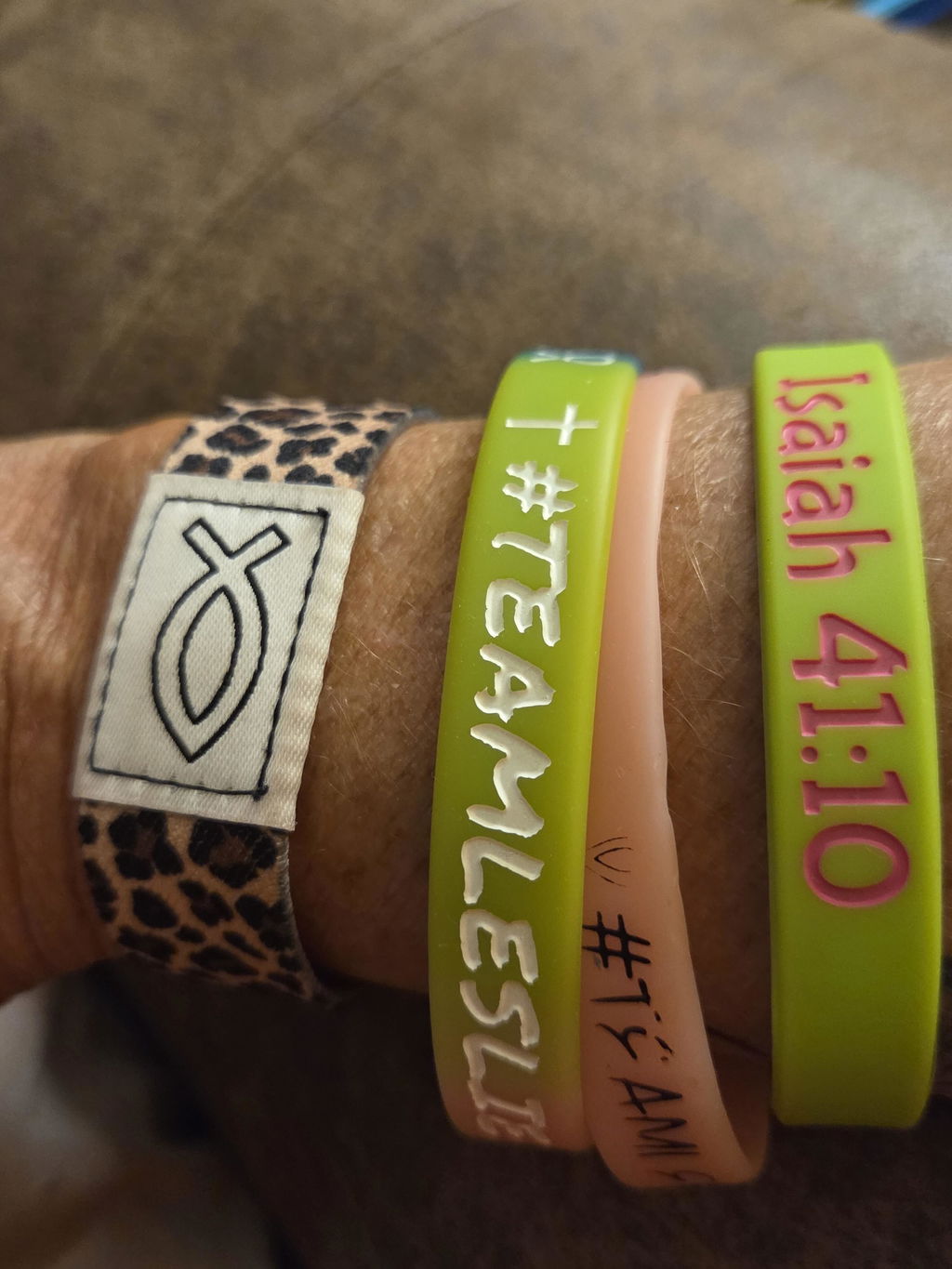
A bookmark, phone reminder, card, or wearable prompt can help a new habit survive a busy schedule. The Bible Band offers tap-to-open Scripture access without requiring an app or subscription. It is a supporting tool, not a substitute for church, careful study, or Christian community.
10. Opportunities to serve
Discipleship includes learning to love neighbors and use spiritual gifts. Help the new believer find an appropriate, supervised way to serve—hospitality, setup, mercy ministry, children's ministry support, community outreach, or practical care.
Service should grow from the gospel, not become a way to earn God's acceptance.
A simple first 90 days
Days 1–30: Establish the foundations
- Read through Mark using a simple plan.
- Attend church weekly.
- Pray for five minutes each day.
- Meet a mentor twice.
Days 31–60: Build understanding
- Read Acts.
- Learn one Bible study method.
- Memorize one or two foundational verses.
- Ask a pastor about baptism and church membership.
Days 61–90: Practice life together
- Read Philippians or James.
- Join a healthy small group or class.
- Choose one appropriate place to serve.
- Share what God is teaching you with another person.
Choose fewer resources and use them well
A shelf full of unused books will not produce maturity. Begin with Scripture, prayer, church, and one faithful relationship. Add tools only when they solve a real need. If you are choosing a welcome gift for someone beginning this journey, see our guide to Christian gifts for new believers.