

25 Bible Study Discussion Questions for Small Groups
Strong Bible study discussion questions help people look closely at Scripture, understand it in context, and respond faithfully. They do not require the leader to manufacture a dramatic conversation. They make room for careful observation, honest questions, and practical prayer.
Use the questions below as a menu. Choose five to eight that fit the passage rather than trying to ask all twenty-five in one meeting.
Observation questions: What does the passage say?
- What words, phrases, or ideas repeat?
- Who is speaking, and who is listening?
- What happens before and after this passage?
- What commands, promises, warnings, or questions appear?
- What contrast or change do you notice?
- Which detail seems most important to the author's point?
Observation questions slow the group down. Encourage participants to point to the actual words in the passage.
Context questions: Where does this passage fit?
- What do we know about the book's author, audience, and purpose?
- How does this section connect to the chapter or argument around it?
- Are there cultural, historical, or literary details we need to understand?
- Does another biblical passage clarify this one?
- How does this passage connect to the Bible's larger story?
Use reliable resources when background information is necessary, but do not let research replace reading the text itself.
Meaning questions: What does the passage teach?
- What does this passage reveal about God's character or work?
- What does it reveal about people, sin, faith, grace, or obedience?
- What problem is being addressed?
- What response did the original audience need to make?
- What would be misunderstood if we read one verse alone?
Application questions: How should we respond?
- What truth should we believe or remember?
- Is there a sin to confess or a pattern to change?
- Is there a command to obey or an example to follow carefully?
- How might this passage shape a decision this week?
- Who could be served, encouraged, forgiven, or helped?
- What obstacle makes this response difficult?
Application should be specific without becoming controlling. The group can encourage one another, but members remain responsible for wise decisions and appropriate pastoral counsel.
Prayer questions: How should the passage shape prayer?
- What gives us reason to praise or thank God?
- What help, wisdom, courage, or forgiveness should we ask for?
- Who else needs prayer in light of this passage?
Questions for different kinds of passages
For a narrative
Ask what changes, what choices people make, how God acts, and what the author emphasizes. Do not assume every action in a biblical story is approved.
For a Psalm
Notice the movement of emotion, the names or works of God, repeated images, and the way the writer turns experience into prayer or praise.
For a New Testament letter
Follow the author's argument. Ask what is true, what therefore follows, and how commands grow from the gospel rather than standing alone.
For wisdom literature
Distinguish general principles from unconditional promises. Consider how the saying fits with the wider teaching of Scripture.
How to ask questions well
- Ask one question at a time.
- Allow silence while people look at the text.
- Do not praise only the answer you expected.
- Invite quieter members without embarrassing them.
- Redirect dominating voices kindly.
- Welcome “I do not understand” as a real contribution.
- Protect personal information shared in the group.
Build a complete meeting around the questions
If you are new to leadership, read how to lead a Bible study for beginners. Hosts can use our home Bible study guide for invitations, timing, seating, and follow-up.
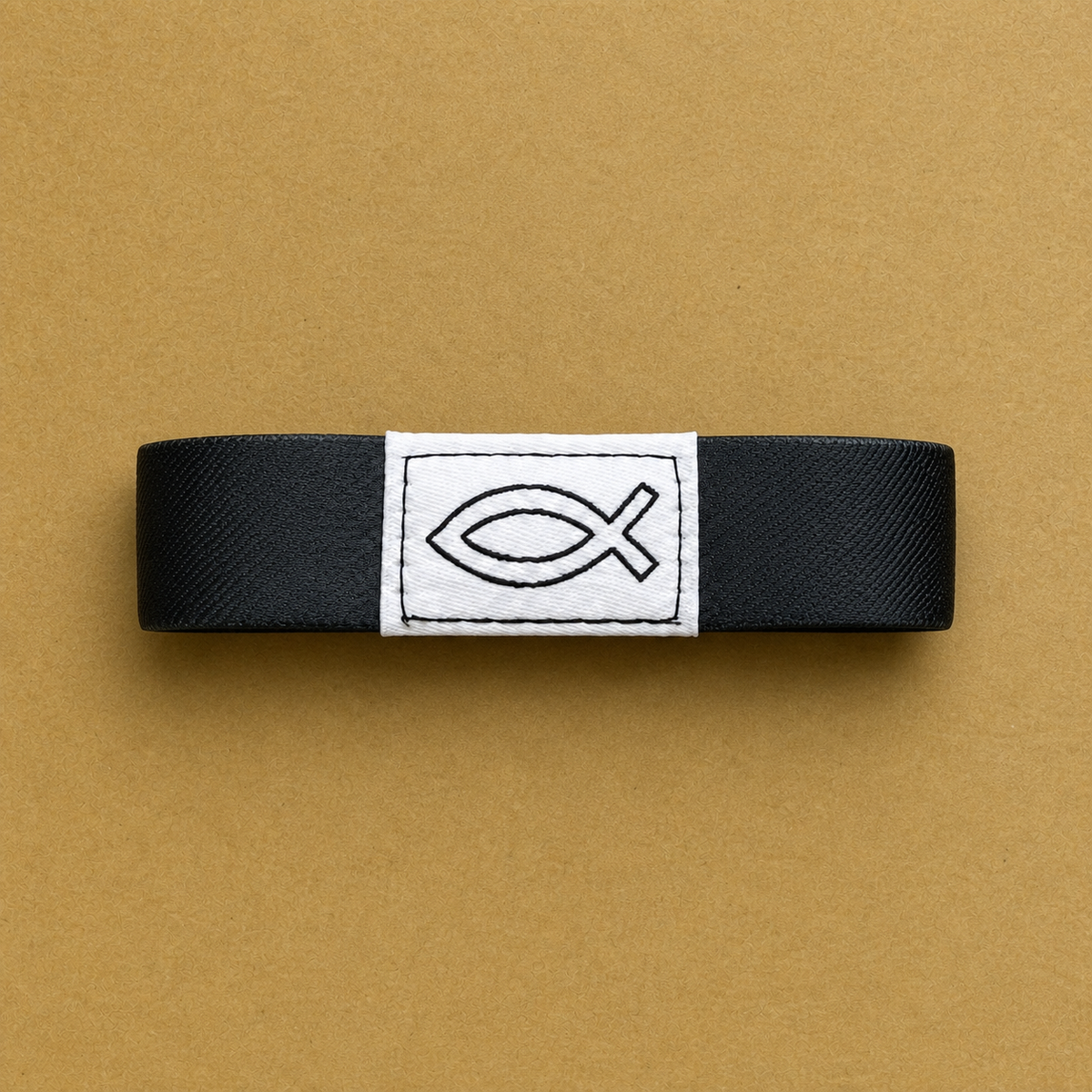
Between meetings, members may benefit from a shared reading rhythm. The Bible Band Christian NFC wristband opens daily Scripture, a pastor-written devotion, guided prayer, audio, large-print text, and a free one-year plan with a compatible phone tap. No app, login, subscription, or monthly fee is required.
Frequently asked questions
How many questions should a Bible study include?
Five to eight thoughtful questions are usually enough for an hour. Prepare extras, but do not rush through them.
What if nobody answers?
Wait, then simplify the question or return to a specific verse. Silence does not necessarily mean failure.
Should every meeting end with application?
Scripture calls for response, but application may include believing, remembering, grieving, worshiping, confessing, or waiting—not only completing a task.
Good discussion questions open the Bible, not merely the room. Choose the questions that help your group see the passage clearly and respond together.