Bible Reading Plan for Beginners: Where to Start
If you are opening the Bible for the first time, beginning on page one and reading straight through can be difficult. The Bible is one unified story, but it is also a library of books written in different genres and historical settings. A beginner Bible reading plan gives you a clear entry point while helping you see the larger story.
The simplest recommendation is to begin with Jesus, then build outward. Read a Gospel, continue into Acts and a New Testament letter, and add selected Psalms along the way.
Where should a beginner start reading the Bible?
Start with the Gospel of Mark or John. Mark is fast-moving and emphasizes what Jesus did. John focuses deeply on who Jesus is and why believing in Him matters. Either book gives you a strong foundation for understanding the rest of the New Testament.
After a Gospel, read Acts to see how the early church grew, then read a shorter letter such as Philippians, James, or Ephesians. Psalms can accompany this path by teaching you language for worship, grief, trust, and prayer.
A simple 30-day Bible reading plan
Days 1–10: Meet Jesus in Mark
- Day 1: Mark 1
- Day 2: Mark 2–3
- Day 3: Mark 4
- Day 4: Mark 5
- Day 5: Mark 6
- Day 6: Mark 7–8
- Day 7: Mark 9
- Day 8: Mark 10–11
- Day 9: Mark 12–13
- Day 10: Mark 14–16
Days 11–20: See the church begin in Acts
- Day 11: Acts 1–2
- Day 12: Acts 3–4
- Day 13: Acts 5–6
- Day 14: Acts 7–8
- Day 15: Acts 9–10
- Day 16: Acts 11–13
- Day 17: Acts 14–16
- Day 18: Acts 17–19
- Day 19: Acts 20–23
- Day 20: Acts 24–28
Days 21–30: Practice faith with James and Psalms
- Day 21: James 1
- Day 22: James 2
- Day 23: James 3
- Day 24: James 4
- Day 25: James 5
- Day 26: Psalm 1
- Day 27: Psalm 23
- Day 28: Psalm 27
- Day 29: Psalm 51
- Day 30: Psalm 103
Some days include several chapters. If that pace is too fast, divide the reading and make the plan 45 or 60 days. Understanding matters more than finishing on schedule.
How to read a Bible passage
- Pray: Ask God for understanding and a willing heart.
- Read: Read the whole section slowly, not just a highlighted verse.
- Observe: Note what the passage says about God, people, and the main action.
- Understand: Consider the context and the author's purpose.
- Respond: Choose one faithful application and pray about it.
For a written version of this process, use the SOAP Bible study method.
Tips for staying consistent
- Choose a regular time and location.
- Keep your Bible visible and ready.
- Read for ten minutes before increasing the goal.
- Mark completed days, but do not let a missed day create shame.
- Ask a mature Christian or pastor about difficult passages.
- Share what you are learning with another believer.
If consistency has been difficult, read how to build a daily Bible reading habit. You can also join the 30-day Bible reading challenge for a shared structure.
Should beginners use a study Bible or app?
A clear Bible translation is enough to begin. A reliable study Bible can add historical background and explain difficult terms, but read the biblical text before the notes. Apps are convenient, while a printed Bible can reduce distraction. Use the format that helps you attend to Scripture.
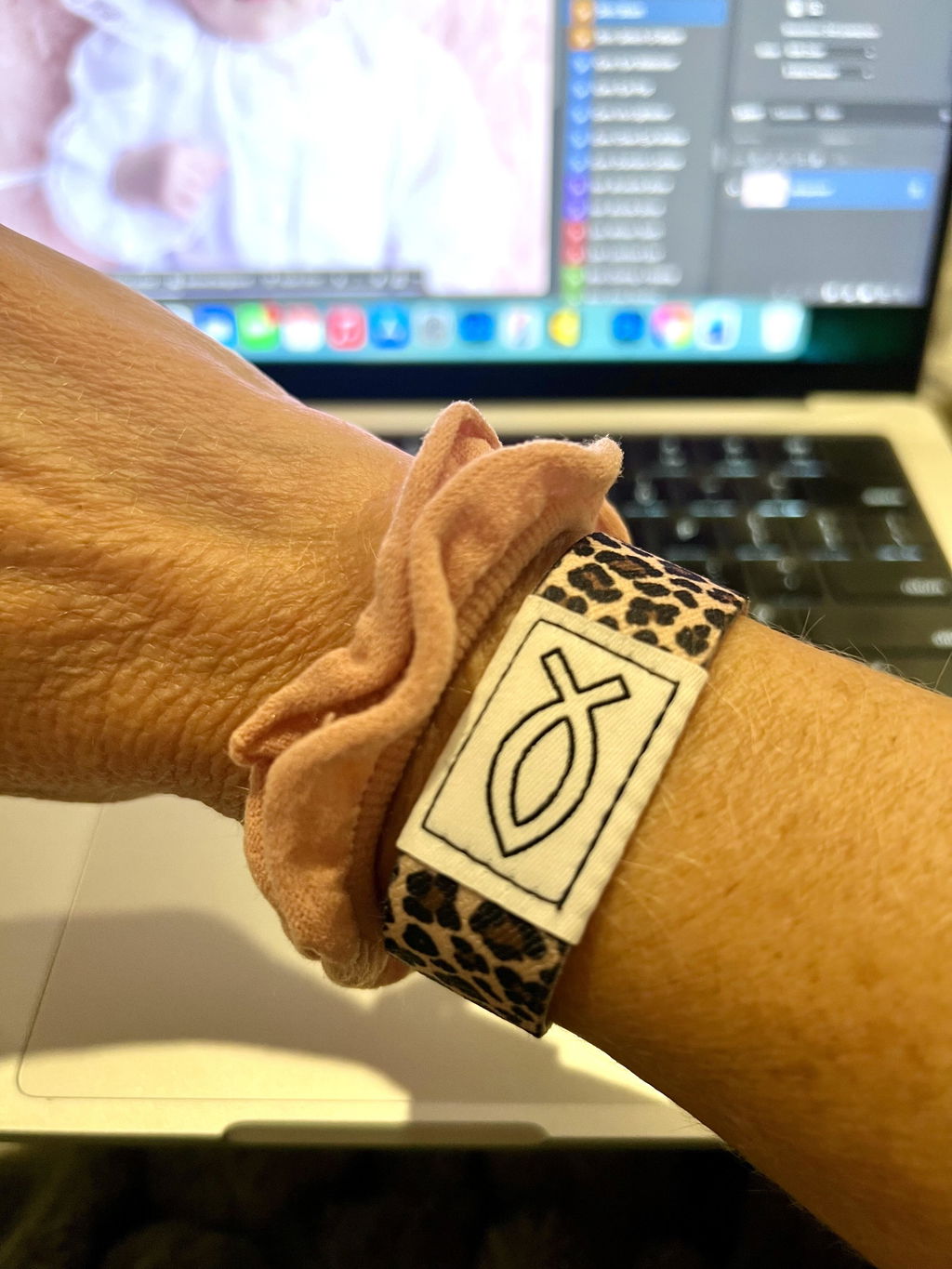
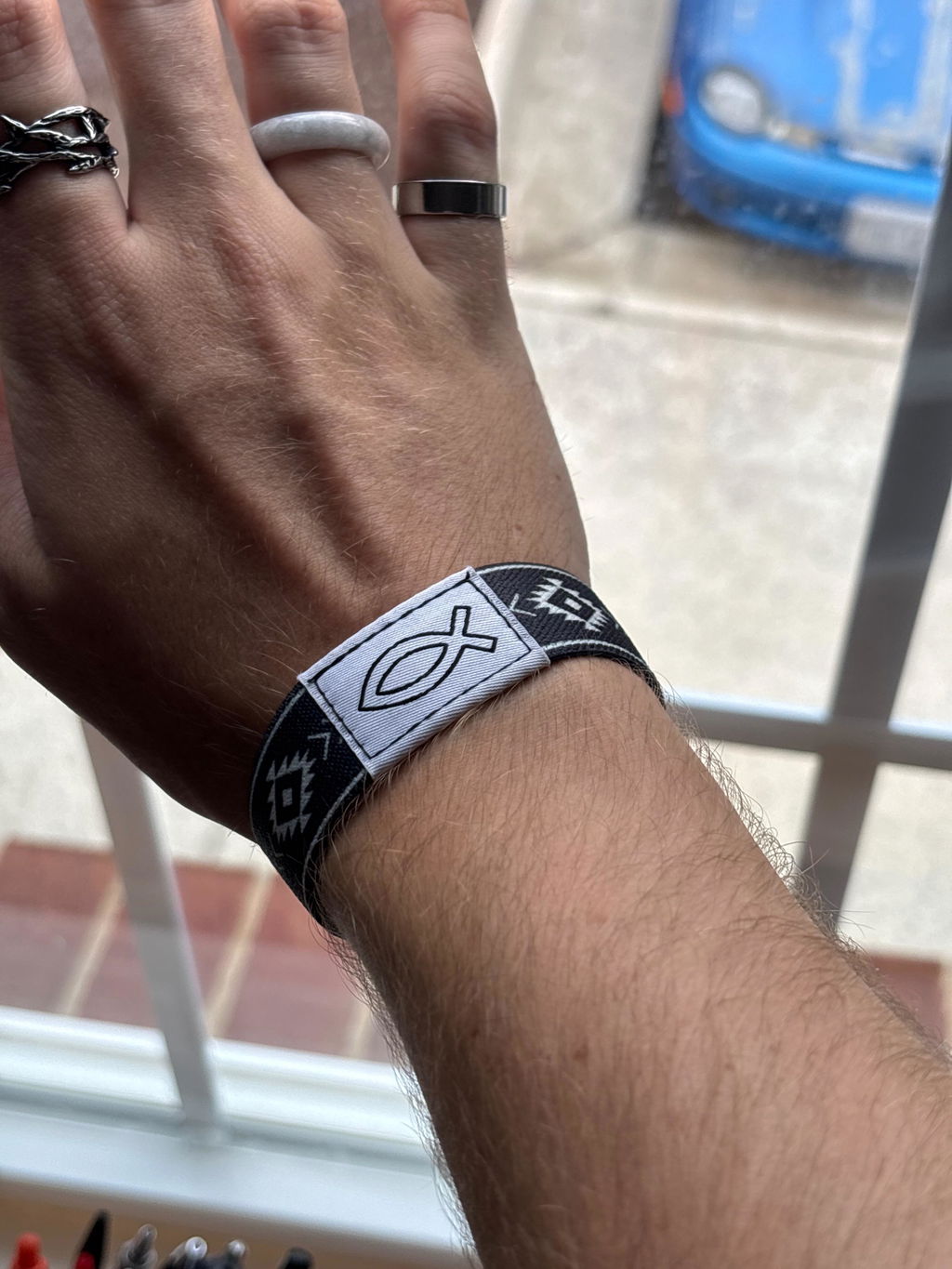
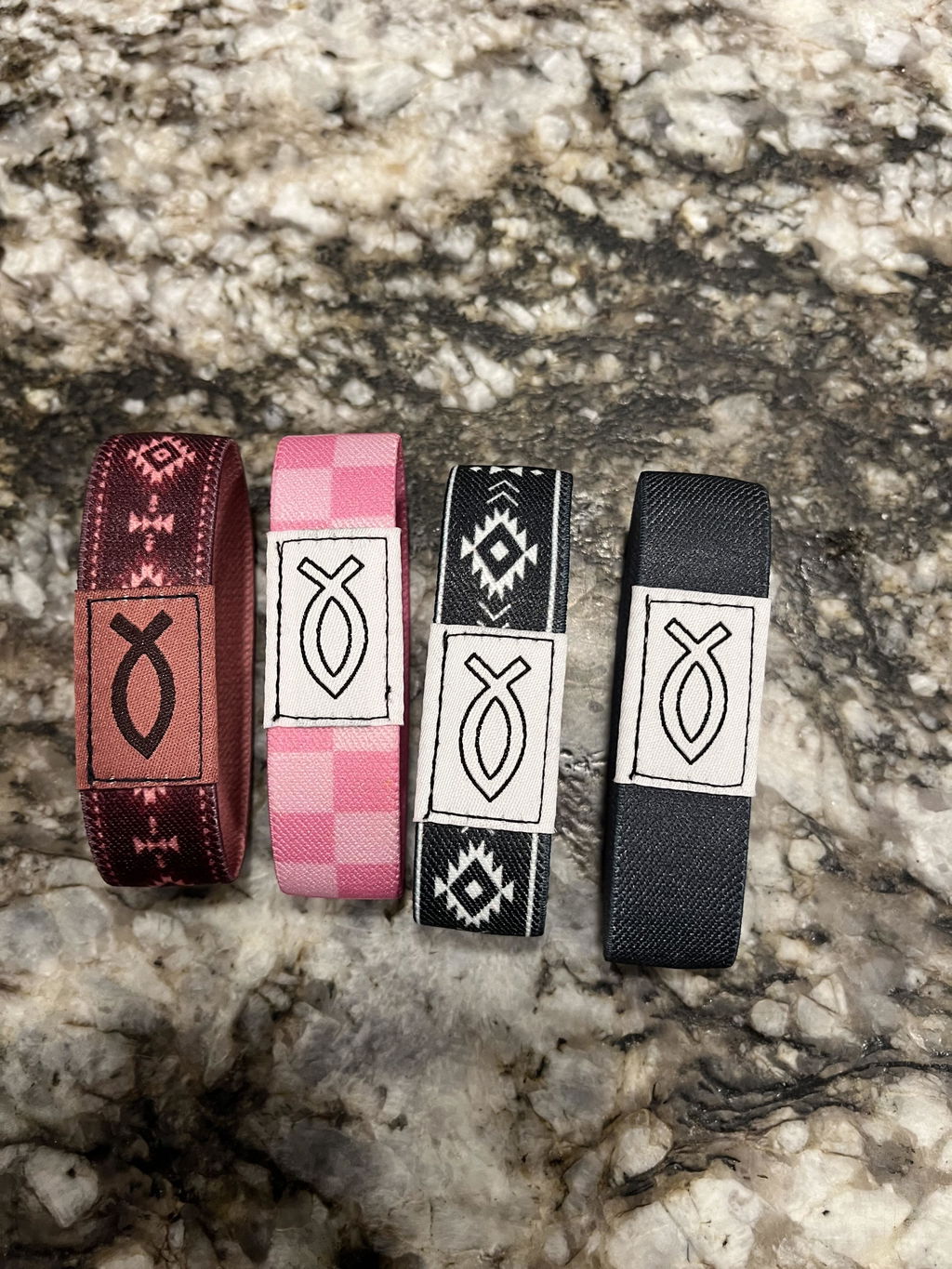
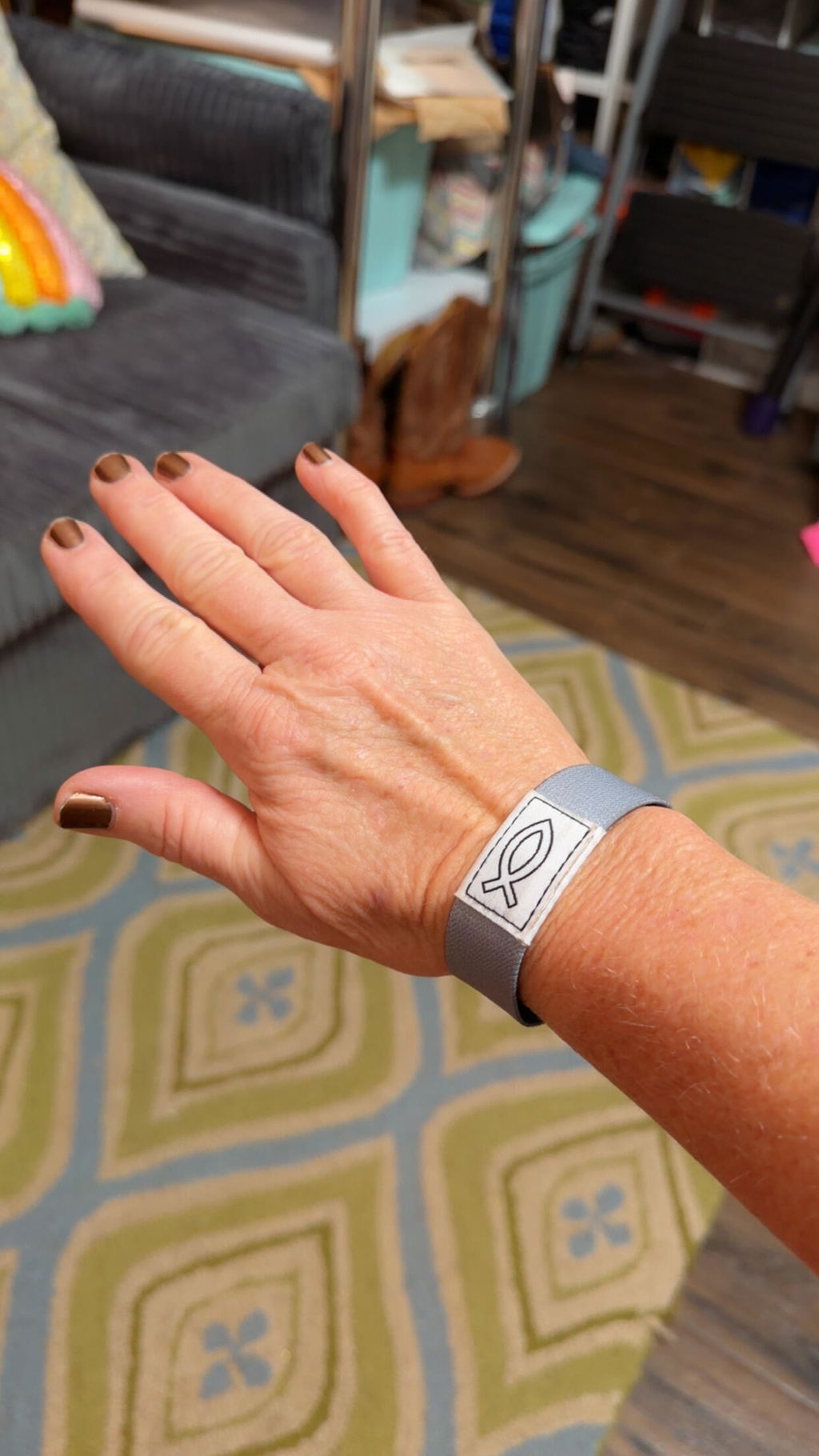
For quick access away from your usual reading place, The Bible Band opens Scripture with a tap and requires no app or subscription.
What should you read after the first 30 days?
Continue with the Gospel of John, Genesis 1–25, Exodus 1–20, Romans, and additional Psalms. When you are ready for a longer structure, compare options in our guide to choosing a one-year Bible reading plan.
Do not wait until you understand everything to begin. Read one passage, ask one honest question, and take one step of obedience. Over time, the parts become clearer as you see how the whole Bible centers on God's redemptive work.