How to Choose a One-Year Bible Reading Plan You Can Finish

A one-year Bible reading plan gives structure to a good desire: spending regular time in the whole counsel of Scripture. But the best plan is not the most impressive one. It is the plan that helps you read attentively, return after interruptions, and keep growing in understanding.
Before downloading the first schedule you find, consider how the plan is organized, how much time it requires, and what you will do when life disrupts the routine.
What is a one-year Bible reading plan?
A one-year Bible reading plan divides Scripture into daily or weekly readings intended to cover the whole Bible—or a defined portion of it—within twelve months. Some plans move from Genesis to Revelation. Others combine readings from several sections each day.
A plan is a tool, not a test of spiritual worth. Its purpose is to help you listen to God's Word with consistency and context.
Common types of one-year Bible reading plans
Canonical plans
These plans read the Bible in its standard book order, beginning in Genesis and ending in Revelation. They are simple to follow and make it easy to see the flow within each book.
Chronological plans
Chronological plans arrange readings according to the approximate order of biblical events. They can help readers connect historical books, prophets, Gospels, and letters, though some ordering decisions are necessarily approximate.
Old and New Testament plans
These schedules pair an Old Testament reading with a New Testament reading each day. The variety can help readers maintain momentum through longer books.
Multi-stream plans
A multi-stream plan may include daily readings from the Law or history, wisdom literature, prophets, Gospels, and letters. This provides variety but requires more page turning or navigation.
Five-day plans
Five-day schedules leave two open days each week for catching up, deeper study, church preparation, or rest. They can be a realistic choice for unpredictable work and family schedules.
Seven questions to ask before choosing a plan
- What is my primary goal? Whole-Bible overview, chronological understanding, or a steady daily rhythm?
- How much time can I honestly give? Estimate from your normal week, not your ideal week.
- Do I prefer one continuous reading or several shorter sections?
- Will I read, listen, or combine both?
- Do I need built-in catch-up days?
- Who can read alongside me?
- What will I do when I miss several days?
A simple daily Bible-reading rhythm
Use a four-part rhythm that can fit most plans:
- Pause: Ask God for attention and understanding.
- Read or listen: Follow the day's passage without rushing merely to complete a box.
- Notice: Write one sentence about what the passage shows about God, people, or faithful response.
- Pray: Respond to what you read.
If time is short, reduce the length before removing attention. Reading a smaller section carefully can be better than racing through several chapters without comprehension.
How the Bible Band supports a reading plan
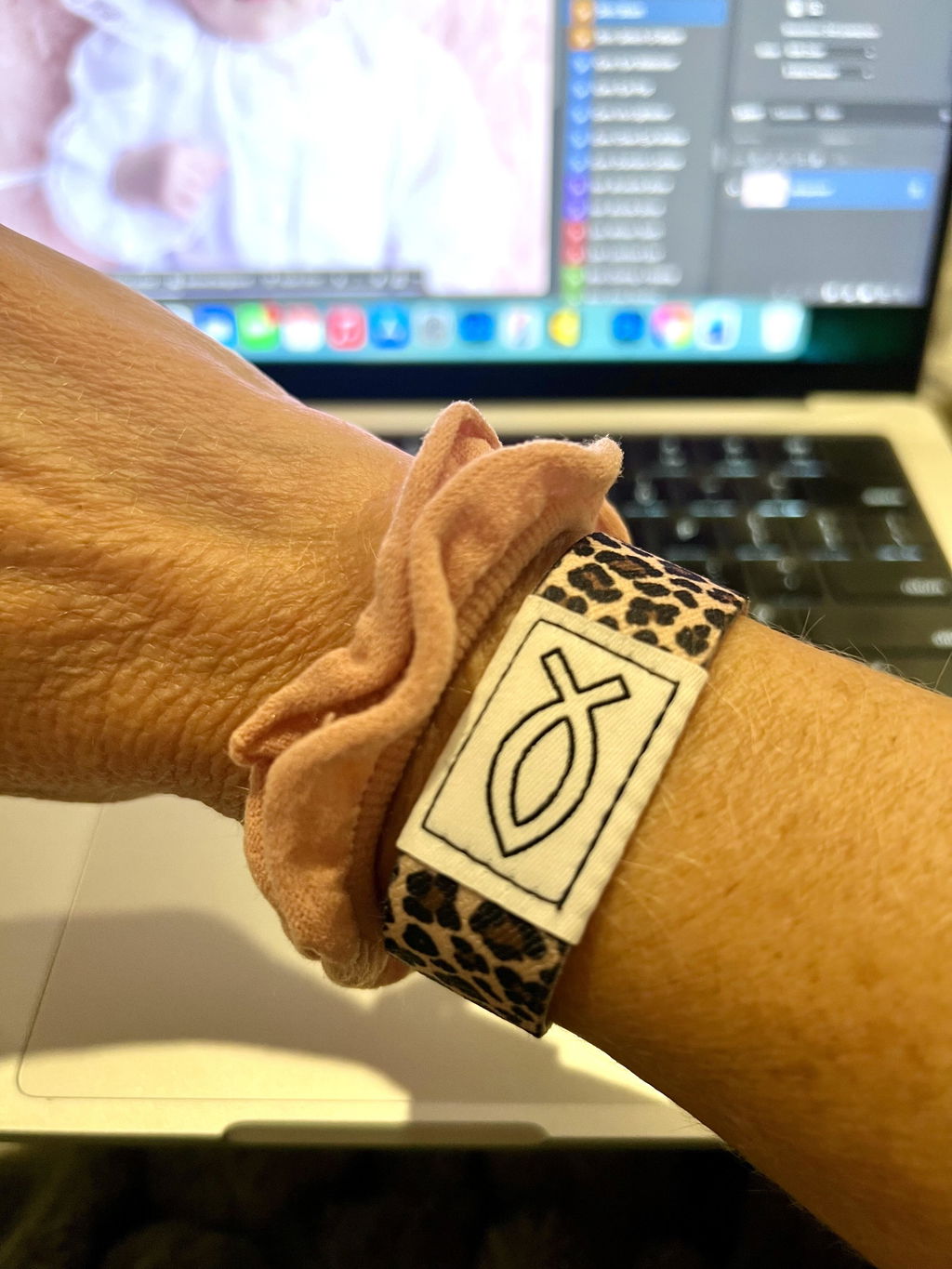
The Bible Band is a Christian NFC wristband designed to make the daily starting point easy to remember. Tap it with a compatible phone to open daily Scripture, a pastor-written devotion, guided prayer, audio, large-print text, and a free one-year Bible reading plan.
There is no app, account, login, subscription, or monthly fee. Because the reminder is worn on the wrist, it can help connect Bible reading to an existing part of the day.
What to do when you fall behind
Do not let an unfinished checklist keep you from Scripture. Choose one of three restart options:
- Resume today: Continue with the current date and release the missed readings.
- Continue in sequence: Pick up where you stopped and let the plan take longer than a year.
- Use the catch-up day: Read one extra section when time and attention allow.
The goal is not to protect a streak. The goal is to keep returning to God's Word.
Reading alone versus reading with others
Solo reading offers flexibility and quiet. Reading with a spouse, friend, family, or small group adds encouragement and helpful conversation. If you read with others, keep the check-in simple:
- What stood out?
- What was difficult to understand?
- What will we pray about or practice?
How to evaluate your plan after one month
After four weeks, ask:
- Am I reading with attention?
- Does the daily amount fit my responsibilities?
- Am I seeing passages in context?
- Do I have a workable restart process?
- Would a different plan format serve me better?
Changing plans is not failure if the change helps you read more faithfully. Avoid switching every few days, but do not stay trapped in a format that consistently prevents attentive reading.
Frequently asked questions
How long does it take to read the Bible in one year?
Daily time varies by reading speed, translation, and whether you listen or take notes. Many whole-Bible plans require several chapters each day, so review a sample week before committing.
Should a beginner use a chronological plan?
It can be helpful, but a plan that begins with a Gospel and then broadens may be easier for some new readers. A pastor or mature Christian friend can help choose a starting point.
Is listening to the Bible the same as reading it?
Listening is a valuable way to receive Scripture and can reveal flow and repetition. Many people benefit from combining audio with reading and reflection.
What if I cannot finish in twelve months?
Keep going. A fourteen- or eighteen-month journey through the Bible is still worthwhile. Faithful attention matters more than an arbitrary deadline.
Choose a plan that fits the life God has actually given you. Start small, read attentively, and make returning part of the plan from day one.
Build the first month
If a full year feels too large, start with the 30-day Bible reading challenge. It uses a simple pause-read-notice-pray rhythm and includes a plan for restarting after missed days.