How to Start a 30-Day Bible Reading Challenge That Builds Consistency

A 30-day Bible reading challenge can help turn a good intention into a dependable starting rhythm. The month is long enough to practice returning to Scripture, but short enough to feel approachable.
The challenge is not a spiritual test or a way to earn God's approval. It is a structure for listening to God's Word, responding in prayer, and learning what supports consistency.
Choose one clear purpose
Decide what the thirty days are meant to accomplish:
- Read through one Gospel
- Learn to pray from the Psalms
- Trace a biblical theme
- Build a morning or evening Scripture rhythm
- Prepare a group for a longer reading plan
A single purpose creates a coherent plan and a clearer invitation.
Select passages that fit the month
Use complete paragraphs or connected sections rather than isolated verses. Estimate the reading time for a normal reader and keep it manageable on a busy day.
For a group challenge, have a pastor or qualified leader review the plan before it is distributed.
Use a four-part daily rhythm
- Pause: Ask God for attention and understanding.
- Read: Read or listen to the assigned passage in context.
- Notice: Write one truth, question, or repeated idea.
- Pray: Respond to what the passage reveals.
Optional study notes can be helpful, but keep the core practice clear enough to remember.
Attach reading to an existing cue
Choose a moment already built into the day:
- After making coffee
- Before checking messages
- During lunch
- After the evening routine
- Before plugging in the phone
The best time is the one you can approach with reasonable attention and repeat.
Reduce friction before day one
Mark the first passage, prepare a journal and pen, silence notifications, and send the full schedule to participants. If the plan includes audio, test the links.
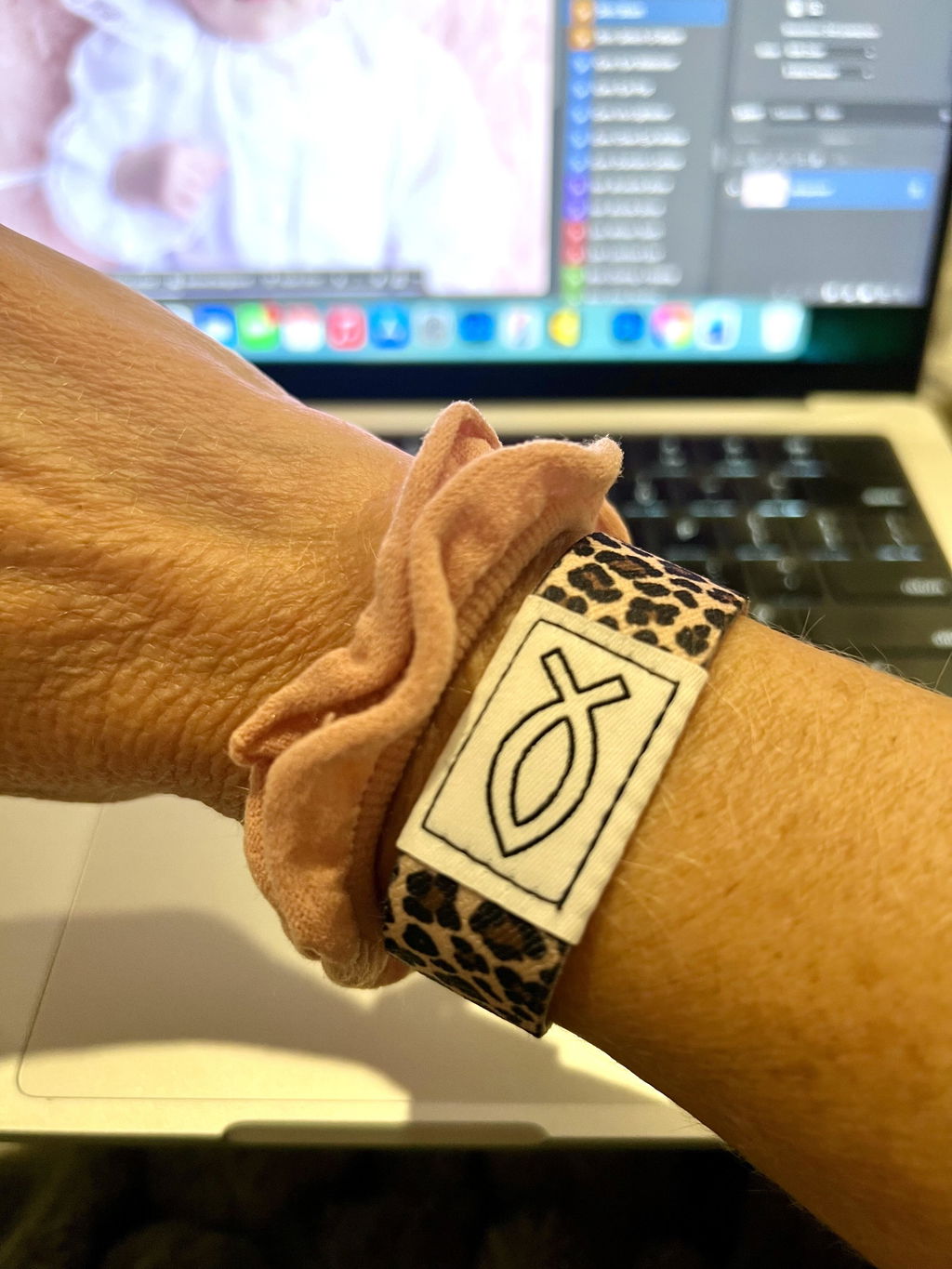
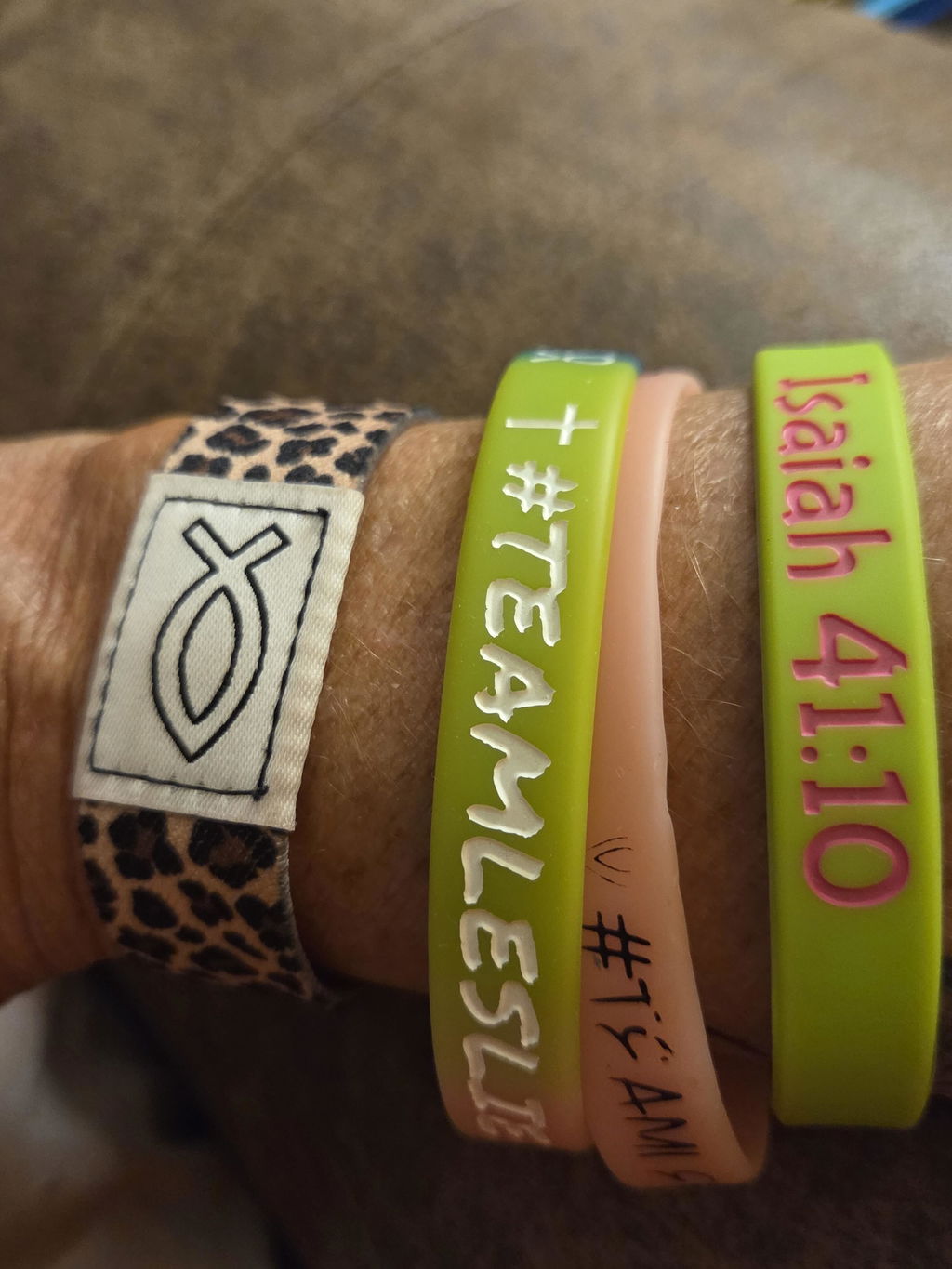
The Bible Band Christian NFC wristband can serve as a physical cue and one-tap starting point for daily Scripture, a pastor-written devotion, guided prayer, audio, large-print text, and a free one-year plan. It requires no app, login, subscription, or monthly fee.
Build a restart plan into the challenge
Tell participants before the challenge begins what to do after a missed day:
- Resume with today's passage, or
- Continue where they stopped and finish later.
Do not require people to complete an expanding backlog before they can return. Consistency is strengthened by returning quickly, not protecting a perfect streak.
Add accountability without surveillance
If people complete the challenge together, use one or two weekly check-ins:
- What passage stayed with you?
- What question do you want to explore?
- How did Scripture shape your prayer?
- What would make next week more sustainable?
Do not publicly rank participation or pressure people to share personal notes.
A sample four-week framework
Week 1: Learn the rhythm
Use shorter passages and focus on the pause-read-notice-pray pattern.
Week 2: Pay attention to context
Ask how each day's reading connects to the passage before and after it.
Week 3: Respond faithfully
Notice commands, promises, warnings, examples, and reasons for praise.
Week 4: Prepare the next step
Review what helped and choose a realistic plan for the following month.
Continue after day thirty
Do not automatically add more material. Choose one sustainable next step:
- Repeat the same rhythm with another biblical book.
- Join a small group.
- Continue with a one-year Bible reading plan.
- Use the 21-day prayer challenge with a group.
Frequently asked questions
What book of the Bible is good for a 30-day challenge?
A Gospel, selected Psalms, or a shorter New Testament book can work well. The best choice depends on the reader's experience and the purpose of the challenge.
How much should I read each day?
Choose an amount that allows attentive reading during a normal day. A shorter passage read carefully is better than rushing to finish a large assignment.
Can listening count?
Yes. Listening is a valuable way to receive Scripture. Many readers benefit from combining audio with a written text and brief reflection.
What if I finish after thirty days?
That is fine. The calendar serves the reading; the reading does not serve the calendar.
Begin with day one, expect interruptions, and make returning part of the plan. The most useful challenge is the one that helps you keep opening God's Word after the month ends.