How to Start a 21-Day Scripture and Prayer Challenge
A 21-day Scripture and prayer challenge gives people a clear beginning, a manageable daily rhythm, and a shared reason to return to God's Word. It can work for one person, a family, a small group, a youth ministry, or an entire church.
The number twenty-one is not a spiritual formula. Three weeks is simply long enough to practice consistency while remaining approachable. The lasting value comes from Scripture, prayer, and faithful response—not from completing a streak.
Define the purpose before choosing the content
Start with one sentence that explains why you are gathering. Examples include:
- To begin the school year by seeking God's wisdom
- To prepare the church for an outreach effort
- To pray for families and marriages
- To learn how to pray from Scripture
- To rebuild a personal habit of daily Bible reading
A specific purpose helps you choose passages and keeps the challenge from becoming a collection of unrelated inspirational thoughts.
Choose a simple daily structure
Participants should be able to understand the daily rhythm without a long explanation. A useful structure is:
- Read: A short Bible passage in context
- Reflect: One clear question or devotional thought
- Pray: A prompt rooted in the passage
- Respond: One practical next step
Keep optional material clearly optional. People with more time can continue into a longer reading plan, while busy participants can still complete the core practice thoughtfully.
Build the 21-day reading plan
Choose one of these approaches:
Follow one book of the Bible
Move through a Gospel, New Testament letter, or selected Psalms. This makes context easier to preserve and helps participants see how passages connect.
Follow one biblical theme
Select passages around prayer, wisdom, hope, identity in Christ, the character of God, or another theme. Be careful not to pull individual verses away from their original meaning.
Use a whole-Bible framework
Trace a theme through creation, fall, redemption, and restoration. This can help participants see how individual passages fit within the Bible's larger story.
Have a pastor or qualified ministry leader review the plan before distribution, especially when it will represent a church.
A sample three-week framework
Week 1: Know God
Focus on God's holiness, love, wisdom, faithfulness, sovereignty, and grace. Invite participants to begin prayer with worship rather than immediately presenting requests.
Week 2: Be formed by the Word
Focus on listening, repentance, trust, obedience, renewing the mind, and loving others. Encourage one concrete response each day.
Week 3: Join God's mission
Pray for homes, churches, schools, workplaces, neighbors, missionaries, and local needs. Connect prayer with wise, loving action.
Make participation easy
Remove unnecessary friction:
- Provide the full schedule before the challenge begins.
- Use one dependable delivery method.
- Keep daily instructions consistent.
- Offer print and digital access when possible.
- Explain how families can adapt the material for children.
- Give people a simple way to ask questions.
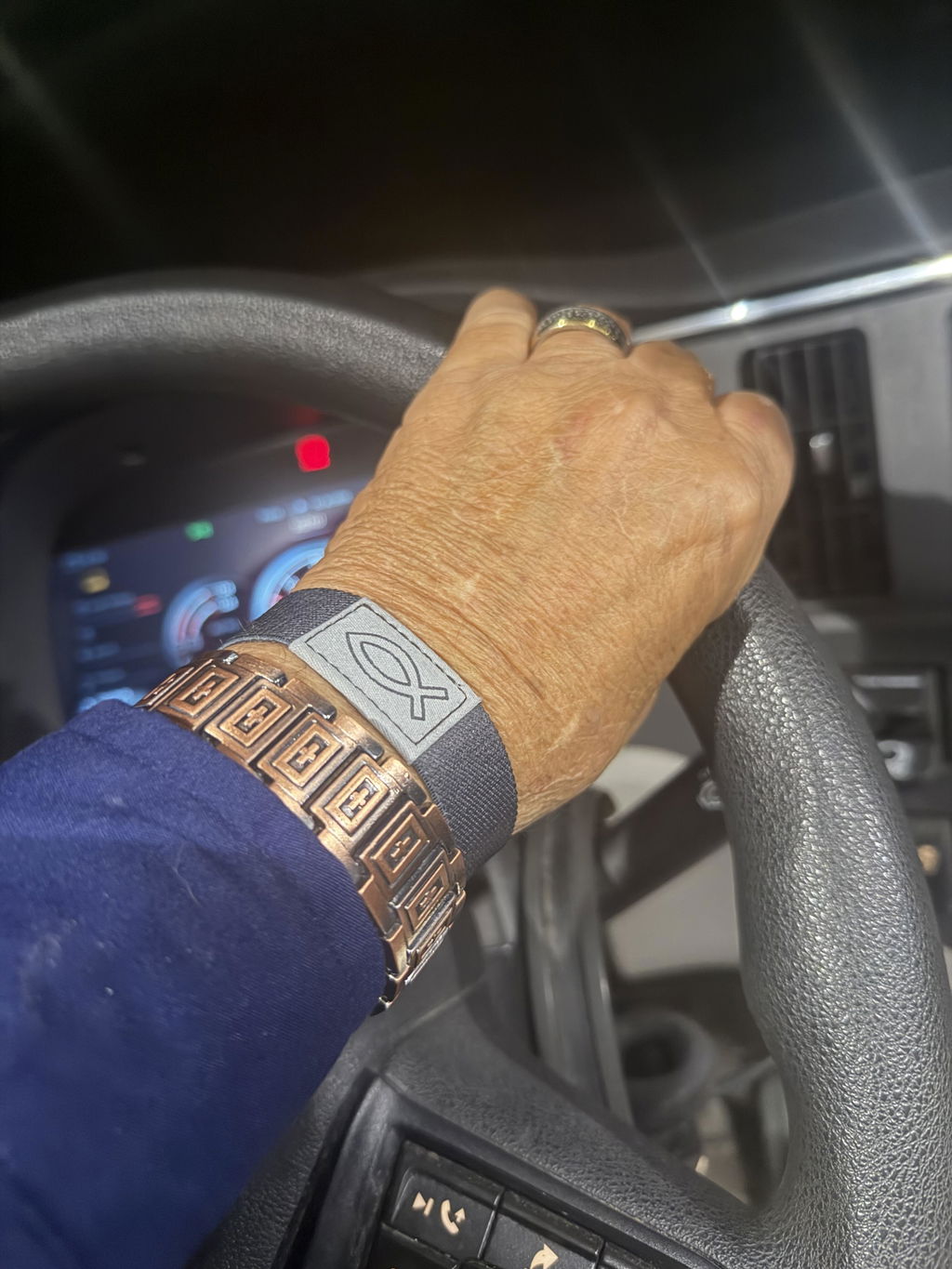
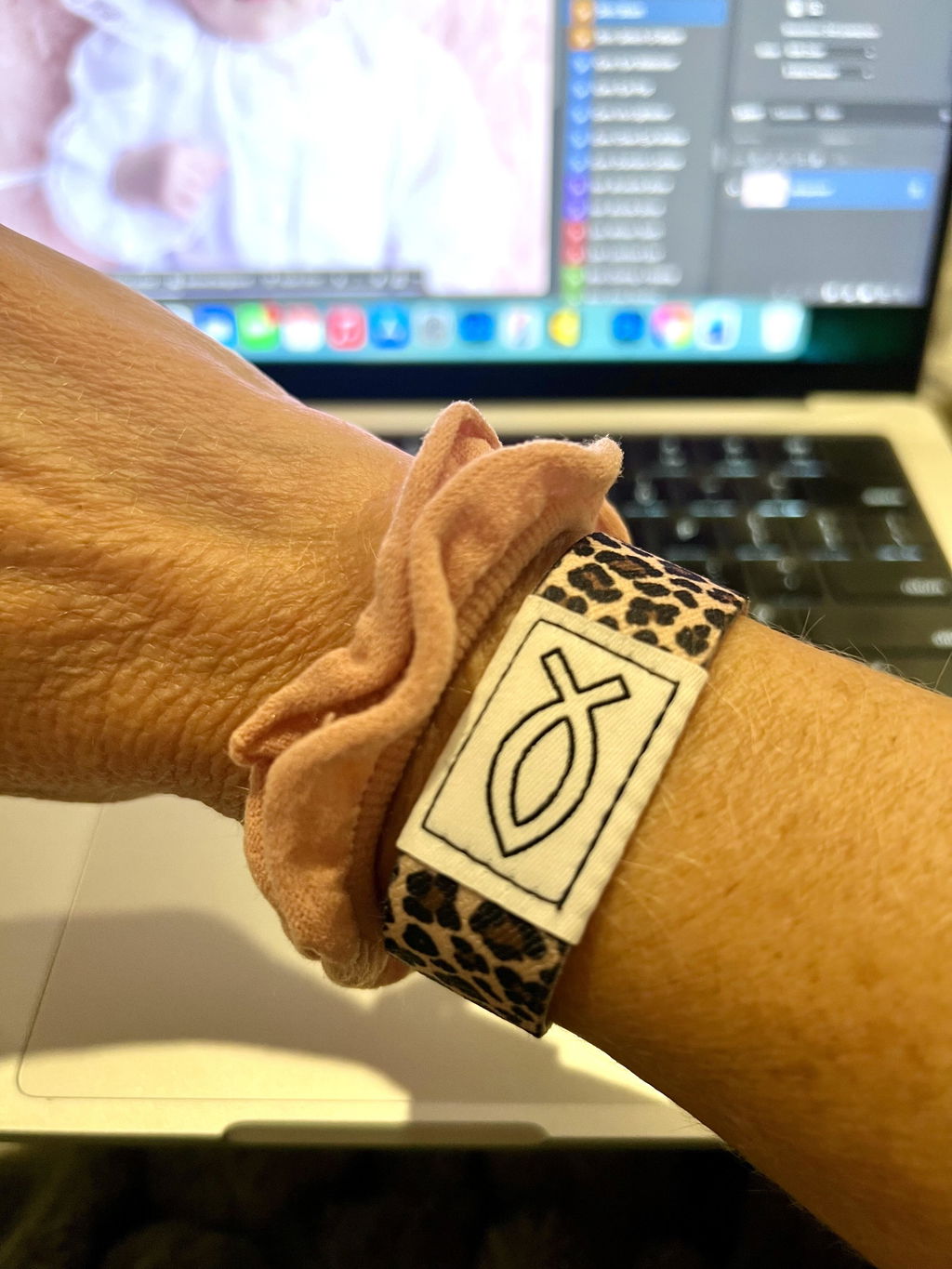
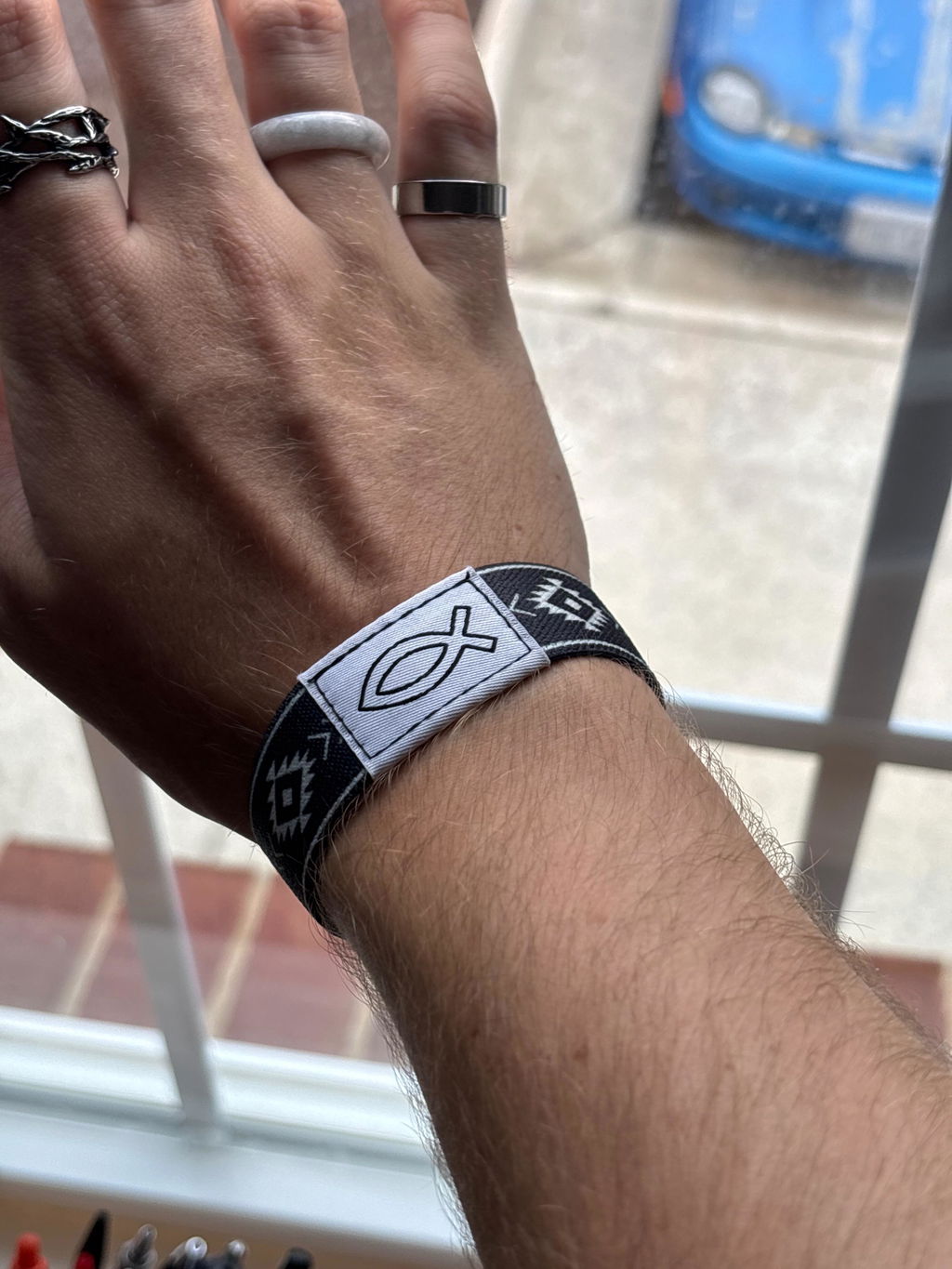
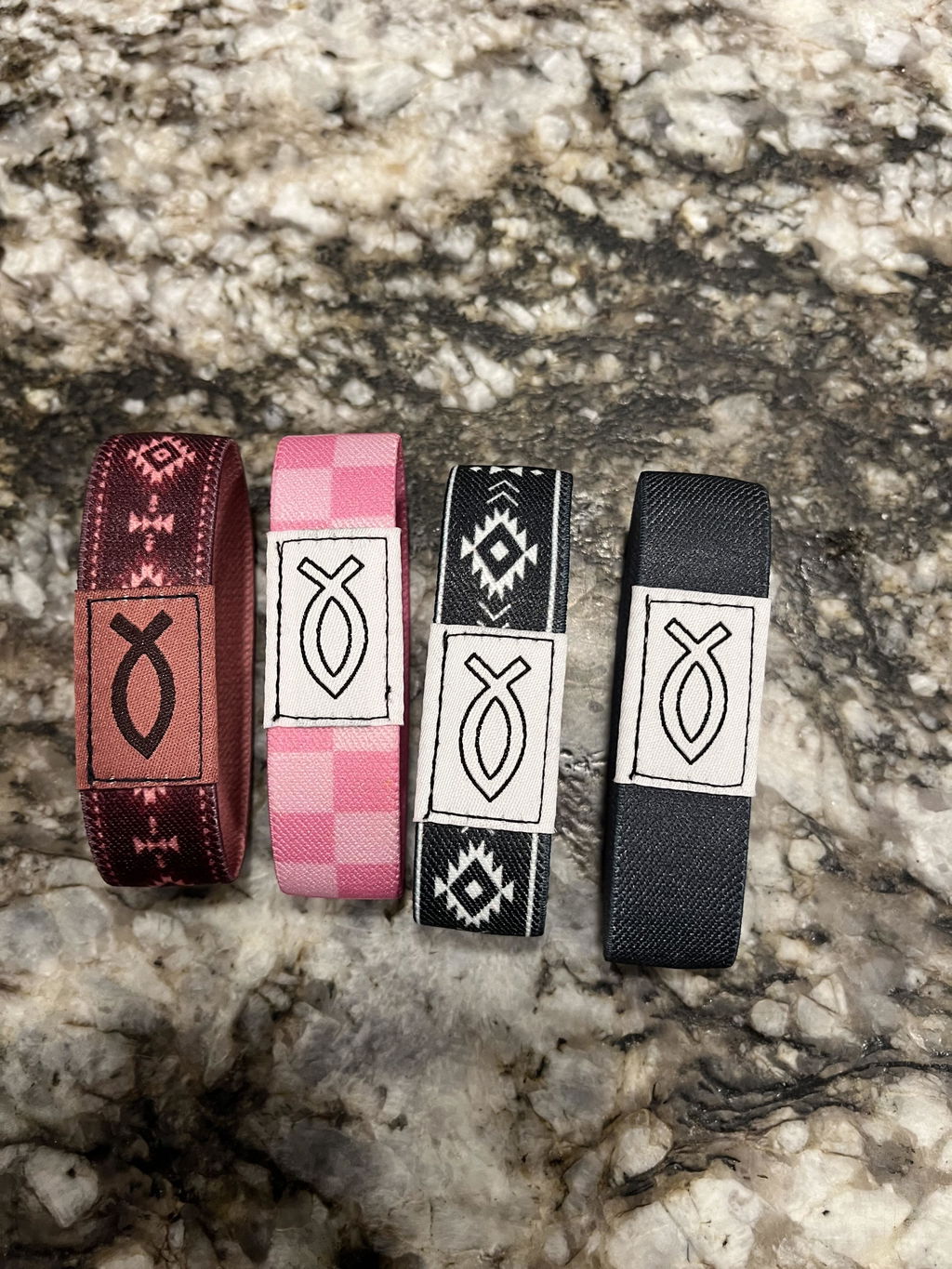
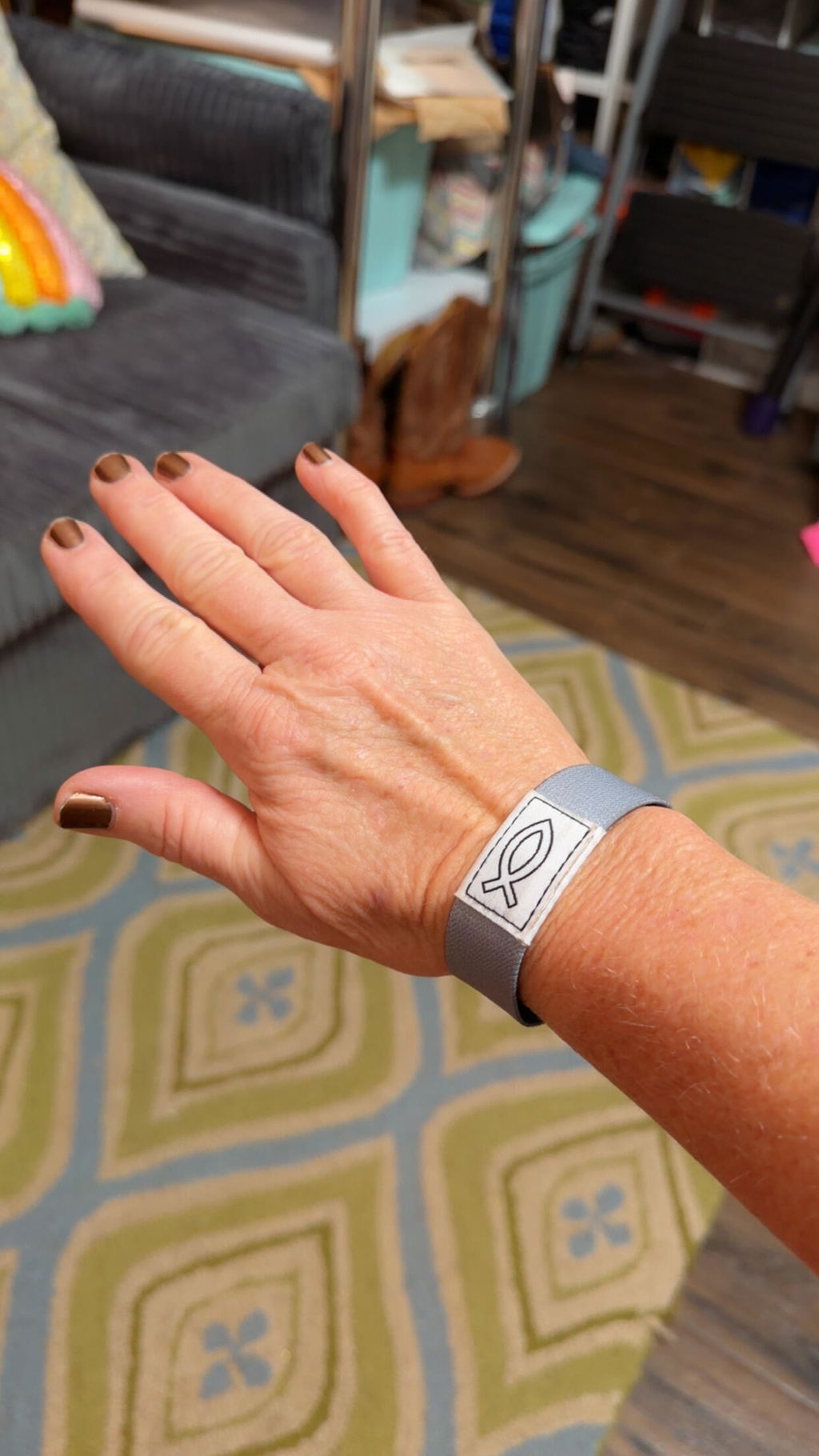
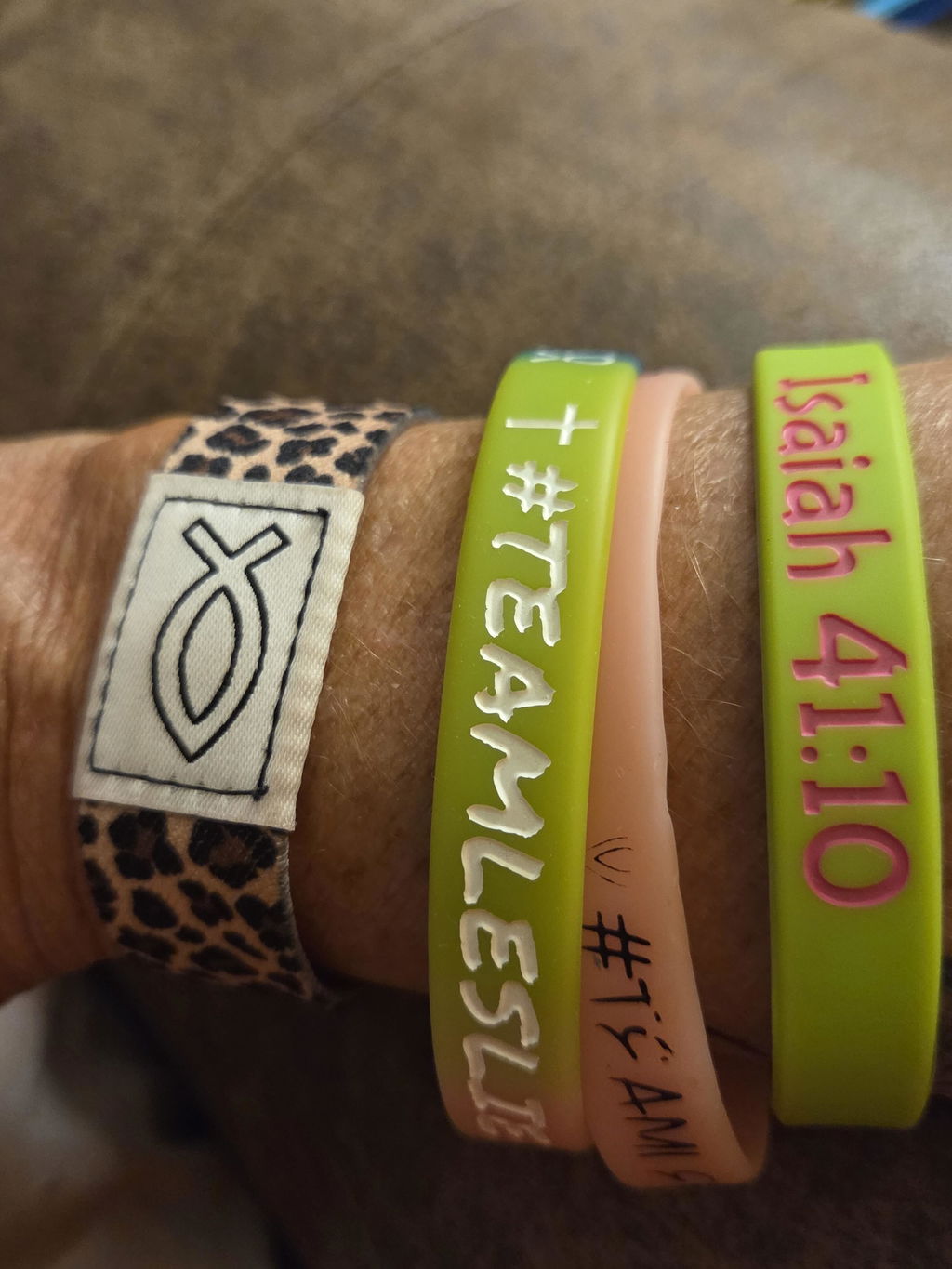
A wearable cue can support the rhythm. The Bible Band™ opens Scripture, a pastor-written devotion, guided prayer, audio, and a one-year Bible reading plan with a compatible phone tap. No app or subscription is required, and a QR-code backup is included.
Use reminders without creating pressure
Send one brief reminder at a predictable time. Avoid filling every communication channel with repeated messages. The goal is to invite people into Scripture, not make them feel monitored.
Helpful reminders may include the day's passage, one prayer prompt, and a link to the reading. Do not publicly track individual participation unless people knowingly opt into that practice.
Plan for missed days
Tell participants from the beginning: if you miss a day, return on the next day. They may catch up later, but they do not need to complete a growing backlog before rejoining.
This protects the challenge from becoming performance-driven and teaches an important truth about spiritual habits: faithfulness includes returning.
Adapt the challenge for different groups
For individuals
Choose a consistent cue and keep a small notebook. Write one truth and one prayer each day. Our guide to building a daily Bible reading habit offers a simple routine.
For families
Read a shorter portion aloud, explain unfamiliar words, and let each person offer one prayer sentence. Keep the time appropriate for the youngest participant.
For small groups
Use weekly meetings to discuss what participants noticed rather than reviewing every day like homework. Ask where Scripture corrected, comforted, or guided them.
For youth ministries
Use clear language, protect minors' privacy, and follow church safeguarding policies for all communication. Invite questions and avoid rewarding only public participation.
For churches
Align sermons, group discussions, and prayer gatherings around the same biblical focus. Bible Band™ Church Packs can support church-wide Scripture, prayer guides, custom church hubs, events, sermon notes, giving, and next steps.
Measure fruit carefully
Completion numbers can be useful, but they are not the whole story. At the end, ask questions such as:
- What did you learn about God?
- Which passage stayed with you?
- How did your prayers change?
- What habit would you like to continue?
- Is there a step of obedience or service you need to take?
Protect personal stories and obtain permission before sharing testimonials publicly.
End with a sustainable next step
Do not let day twenty-one become a finish line with nothing afterward. Invite participants to continue into a Bible reading plan, join a group, attend a prayer gathering, or repeat the same simple read-reflect-pray-respond rhythm.
The challenge succeeds when it points beyond itself toward an ongoing life in God's Word.
Equip your group
If your church, camp, school, retreat, or youth ministry wants a shared wearable Scripture experience, explore Bible Band™ Church Packs or ask about group pricing.
Continue building the prayer rhythm
Groups ready for a regular gathering can use our guide to starting a prayer group at church. For a longer personal reading rhythm, try the 30-day Bible reading challenge.