How to Restart Your Devotional Life After Falling Out of the Habit

If your devotional life has gone quiet, you do not need an elaborate comeback plan. You need an honest return.
People fall out of spiritual habits for many reasons: travel, grief, a newborn, work pressure, illness, disappointment, distraction, or a plan that was too large from the beginning. The answer is not pretending those pressures are small. It is choosing a faithful next step that fits the season you are actually in.
Begin with grace, not shame
Guilt can identify that something matters, but shame says you should hide until you have improved. The gospel invites believers to come to God because of Christ, not because they have maintained a flawless streak.
Tell God the truth: “I have been distracted,” “I am tired,” or “I have avoided You because I am disappointed.” Honest prayer is already part of the return.
Why devotional habits usually collapse
- The plan requires more time than the schedule allows.
- The goal is vague: “I should read more.”
- The routine has no clear cue.
- One missed day becomes permission to quit.
- The person confuses a devotional tool with deep Bible study.
- The practice becomes about maintaining a streak rather than knowing and obeying God.
Identify the real friction before choosing a new plan.
A seven-day devotional restart
Day 1: Choose one short passage
Read Mark 1:14–20 or Psalm 1. Ask, “What does this show me about God, and what response does it call for?”
Day 2: Attach reading to a cue
Choose something that already happens: first coffee, lunch break, school pickup, or bedtime. Put your Bible or reminder where the cue occurs.
Day 3: Pray the passage
Turn one truth into a sentence of praise, confession, request, or surrender.
Day 4: Remove one distraction
Use Do Not Disturb, leave the phone across the room, or choose paper. If you use a digital devotional, open it intentionally and close unrelated apps.
Day 5: Share one insight
Tell a trusted believer what you read and ask what they are learning. Accountability should encourage honesty, not reward appearances.
Day 6: Read the wider context
Go beyond the verse and read the full paragraph or chapter. Notice repeated words, the audience, and the main point.
Day 7: Review and adjust
Ask what helped, what created friction, and what you can realistically repeat next week. Keep the plan small enough to survive a busy day.
Use a physical reminder if forgetting is the problem
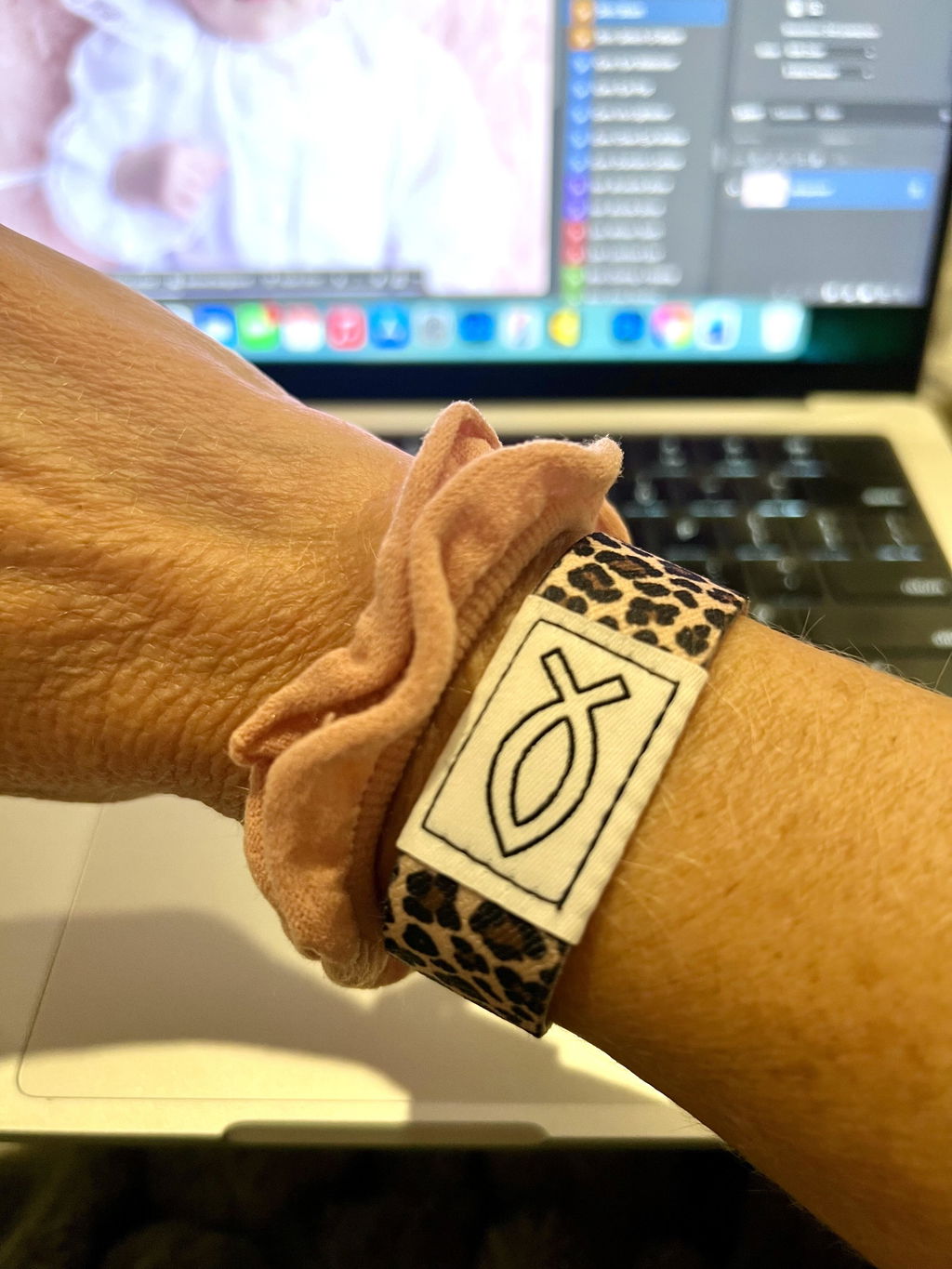
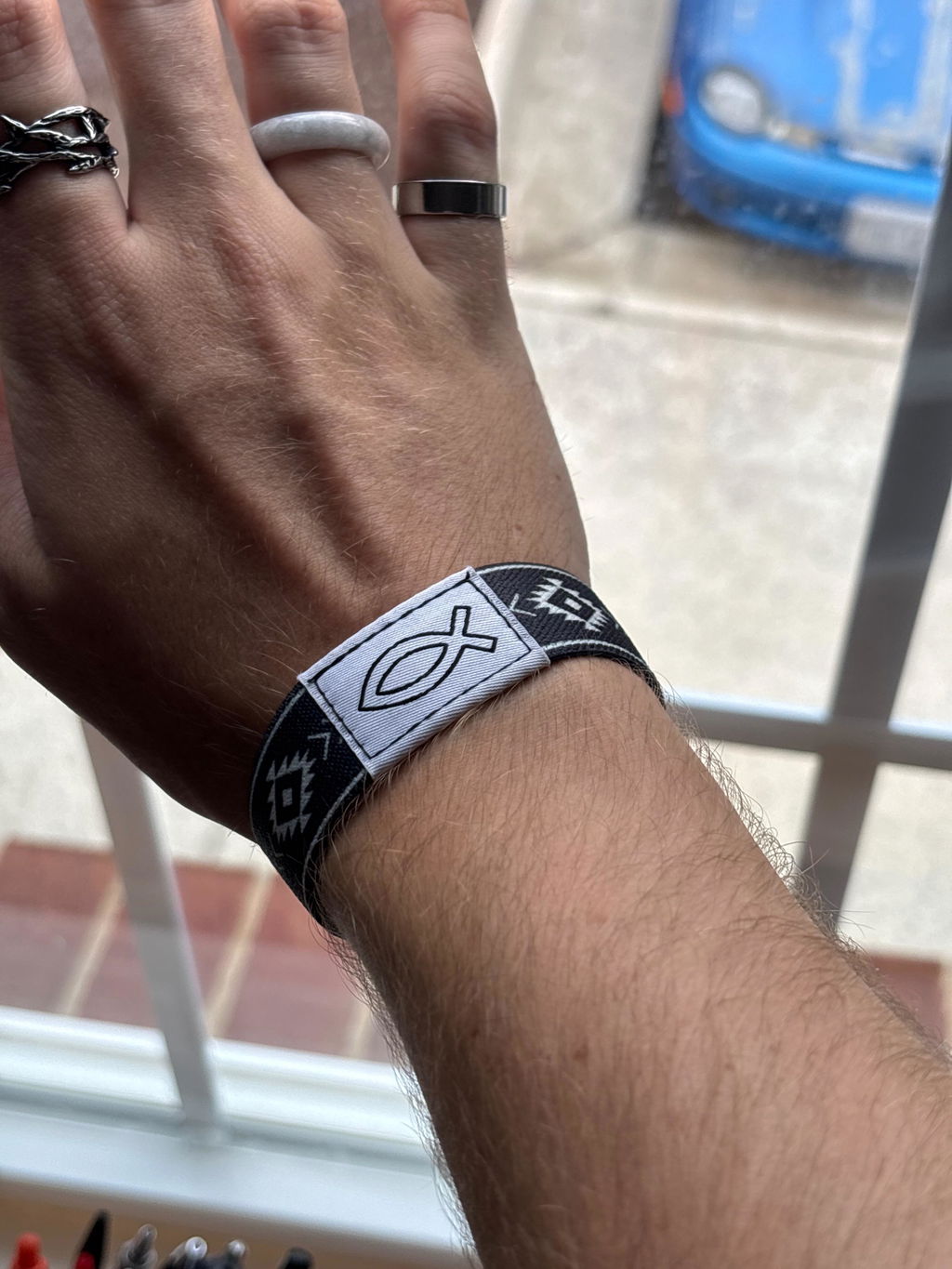
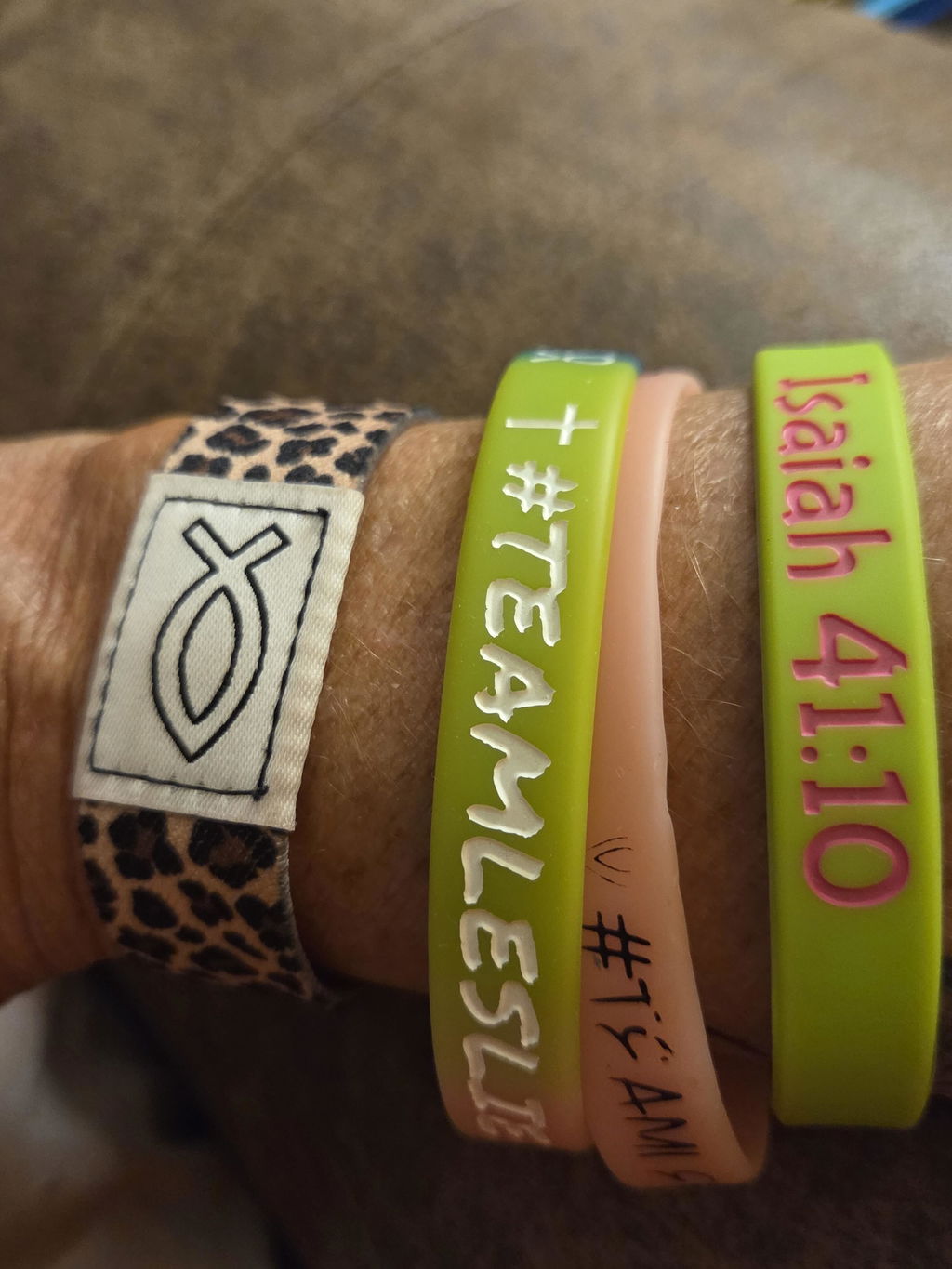
If your main barrier is simply remembering, connect the habit to something visible. The Bible Band Christian NFC wristband can act as that cue. A tap opens daily Scripture, a pastor-written devotion, guided prayer, audio, and a one-year reading plan without an app or subscription.
The band is not a cure for spiritual dryness. It is a tool that makes the next action easier.
What to do when you miss another day
Return at the next opportunity. Do not double the reading as punishment. Do not wait for Monday or the first of the month. Open the Bible, read the next passage, and pray.
Consistency is not never missing. It is learning to return quickly.
Build toward depth over time
A five-minute restart is a beginning, not the final goal. As the rhythm stabilizes, add careful study, longer prayer, Scripture memory, and conversation with mature believers. Stay connected to a local church where Scripture is taught and lived in community.
For a clear next step, use our Bible reading plan for beginners or simple guide to prayer.
Start today
Choose one passage, one cue, and one honest prayer. Leave the perfect plan behind. God’s mercy is not waiting for a better streak.