

How to Choose a Bible Study for Your Small Group
The best Bible study for your small group is not automatically the newest, longest, or most popular resource. It is a biblically faithful study that fits the group's maturity, purpose, schedule, and ability to prepare.
Use this framework before buying books or announcing a new series.
Start with the group's purpose
Ask what the group needs during this season:
- An introduction to reading the Bible
- A careful study of one biblical book
- Growth in prayer or another Christian practice
- Help understanding a doctrine
- Preparation for service, leadership, or a church season
Do not use a topic merely because it interests the leader. Listen to the group and seek guidance from appropriate church leadership.
Choose the type of study
Book-of-the-Bible study
The group follows one biblical book in sequence. This naturally preserves context and teaches people to see an author's argument or narrative.
Topical study
The group examines several passages related to prayer, wisdom, relationships, work, or another theme. A good topical study handles every passage in context rather than collecting isolated verses.
Doctrine study
The group studies a Christian teaching such as the Trinity, salvation, the church, or resurrection. Choose resources that represent the church's convictions accurately.
Practice-focused study
The group learns about prayer, Bible reading, evangelism, service, or stewardship while remaining anchored in Scripture. Practice should grow from truth rather than technique alone.
Evaluate how the resource uses Scripture
Open a sample lesson and ask:
- Is the biblical text central or merely decorative?
- Are verses considered in their literary and historical context?
- Does the author explain difficult ideas responsibly?
- Do applications follow from the passage?
- Does the study encourage people to read the Bible itself?
If participants could complete the entire lesson without opening Scripture, choose another resource.
Check theological reliability
Review the author, publisher, statement of faith, and endorsements. Ask a pastor or trusted leader when uncertain. Popularity, attractive design, and social-media reach do not guarantee careful teaching.
For an official church group, follow the church's review and approval process.
Match the reading level and maturity
New believers need clear explanations and a manageable pace. Experienced groups may be ready for longer passages, more background, and harder interpretive questions. A mixed group needs material that is accessible without becoming shallow.
Our guide to leading Bible study for beginners can help a new leader prepare responsibly.
Calculate the real preparation time
Read one lesson as if you were a participant and another as the leader. Note the time required for reading, homework, videos, leader notes, and gathering supplies.
A resource that assumes three hours of weekly homework will not serve a group that agreed to twenty minutes. Underestimating the workload creates guilt and uneven participation.
Choose a workable length
Six to ten meetings often provide enough continuity without demanding an indefinite commitment. Long studies can work, but schedule breaks and a clear review point.
If the group meets every other week, confirm that the material will still feel connected over several months.
Review the discussion questions
Strong questions move from observation to meaning and application. Weak questions ask for trivia, contain the answer, or push people toward inappropriate disclosure.
Use our 25 Bible study discussion questions to supplement a resource carefully.
Consider format and accessibility
- Are print, digital, audio, or large-print options needed?
- Can participants afford the materials?
- Are captions or transcripts available for video?
- Does the study require reliable internet access?
- Can newcomers join after the first week?
Remove avoidable barriers before the study begins.
Pilot the first lesson
Ask a co-leader to review or practice the opening lesson. Identify unclear instructions, unrealistic timing, or questions that might need pastoral guidance. A short pilot can prevent weeks of frustration.
Support the study between meetings
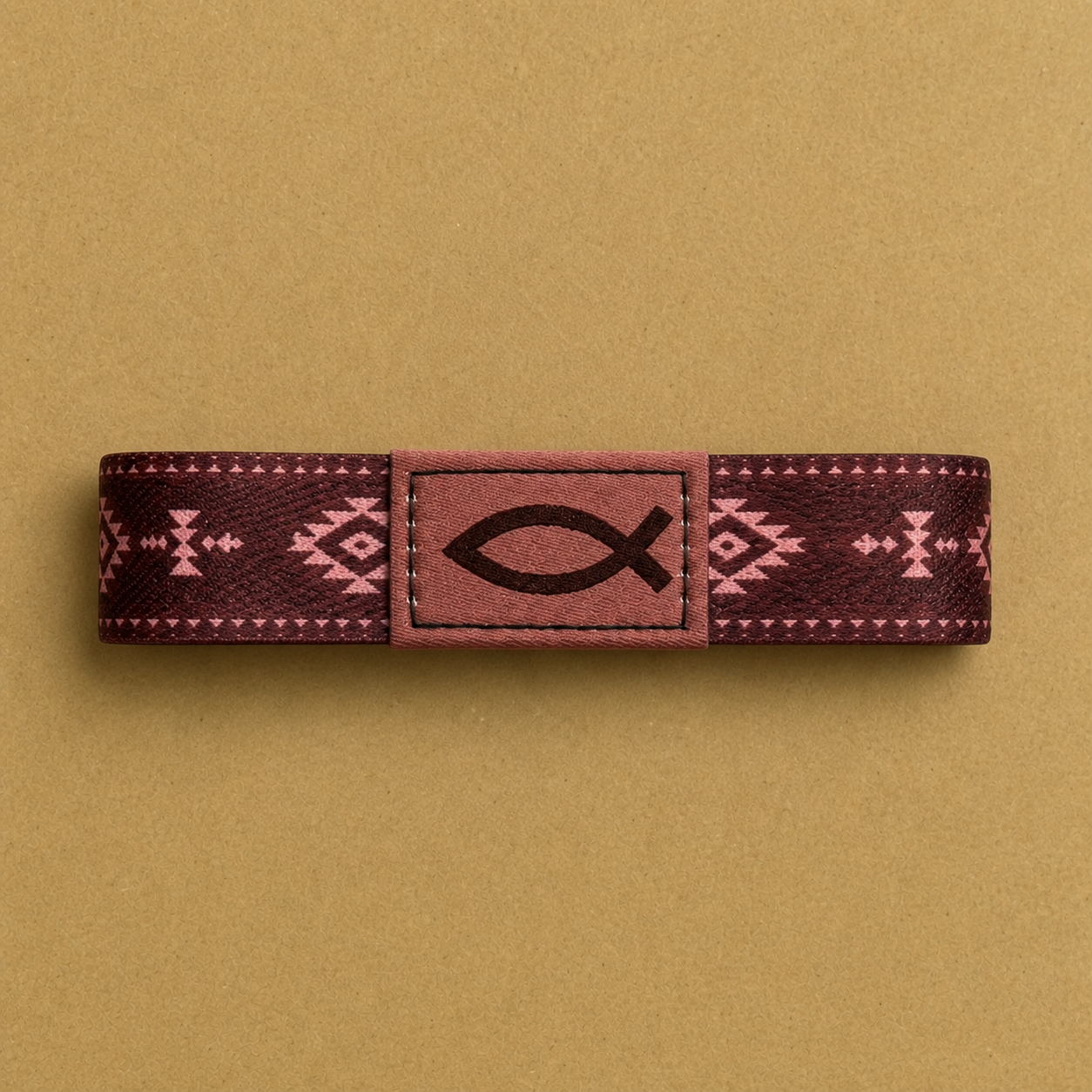
Keep follow-up simple: send the next passage, one reminder, and any necessary schedule change. A shared daily cue may help members return to Scripture. The Bible Band opens daily Scripture, a pastor-written devotion, guided prayer, audio, large-print text, and a free one-year reading plan—without an app, login, subscription, or monthly fee.
Frequently asked questions
Should a small group study a book of the Bible or a Christian book?
A biblical book is often the clearest foundation. Christian books can be useful when evaluated carefully and read under the authority of Scripture.
Should every member buy the study guide?
Only if the resource requires it and the cost is reasonable. Churches should consider scholarships or shared materials so cost does not exclude participation.
When should we change a study?
Change when the resource proves unreliable, inaccessible, or badly mismatched. Do not switch merely because one session was difficult.
Choose the study that helps your actual group read God's Word carefully and respond faithfully. Simple, sound, and sustainable is enough.