Is an NFC Bracelet Safe? What Parents and Buyers Should Know
If you are considering an NFC bracelet for yourself, a teenager, or a church group, it is reasonable to ask how the technology works. The short answer is that a standard passive NFC tag is a simple, short-range tool. It is not a GPS tracker, it does not continuously broadcast, and it does not need its own battery.
The more useful answer is to understand what happens during a tap and to follow a few basic digital-safety habits.
What is an NFC tag?
NFC stands for near-field communication. It lets two compatible devices exchange a small amount of information when they are very close together. According to the NFC Forum, the technology is designed for close proximity, and passive tags usually draw the tiny amount of power they need from the device reading them.
A passive NFC tag can hold a small instruction, such as a website address. When a phone is brought near the tag, the phone recognizes that instruction and asks the user to open it.
Is an NFC bracelet a tracking device?
No. A passive NFC bracelet does not contain GPS, a cellular radio, or a battery that reports its location. It cannot follow the wearer around or transmit a live location on its own. That is different from a Bluetooth item tracker, which has a battery and communicates with nearby devices.
After a person chooses to open a website from any NFC tag, that website may operate like other websites and use ordinary analytics. The tag itself, however, is not a location tracker.
What happens when you tap the Bible Band?
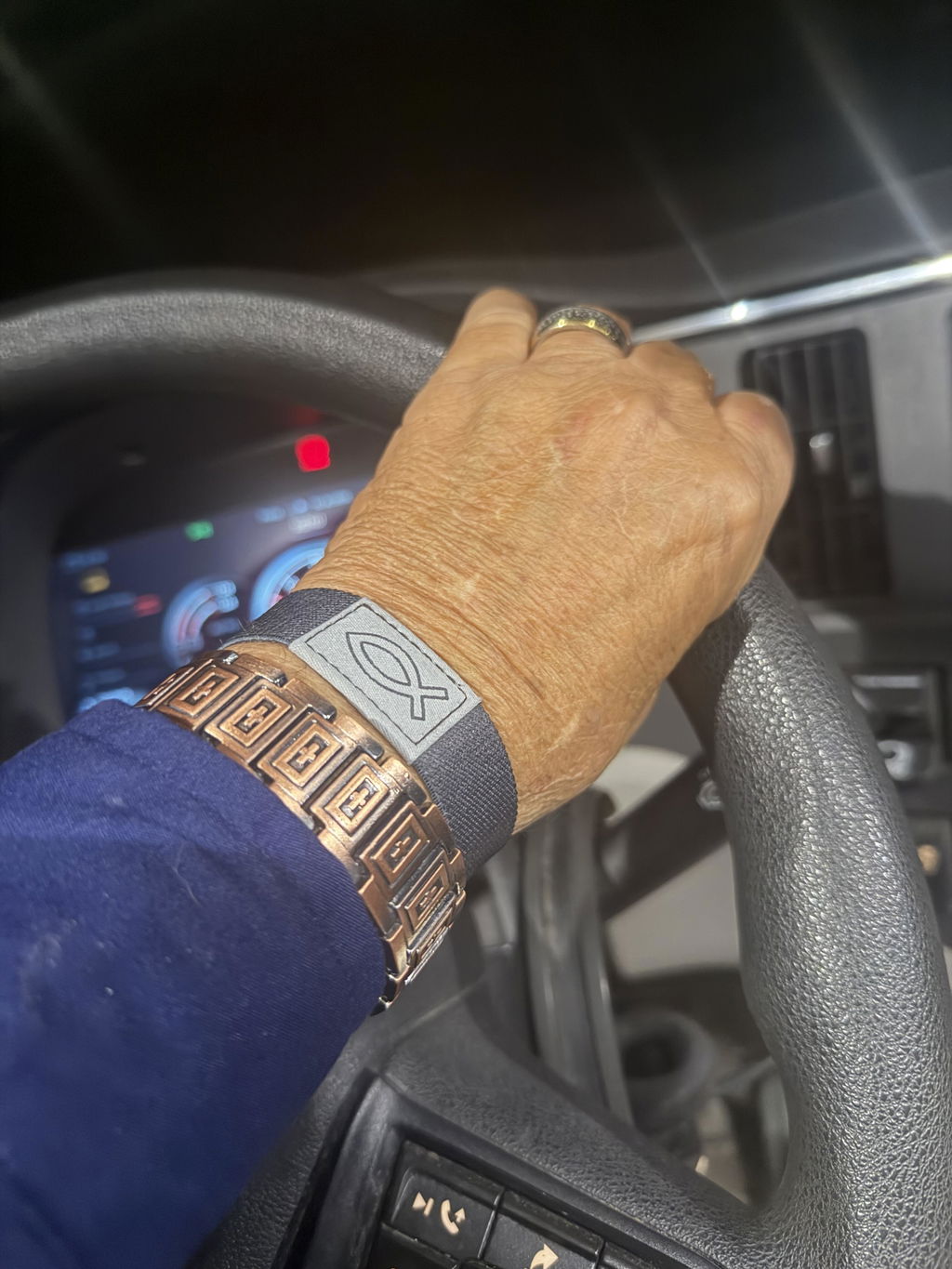
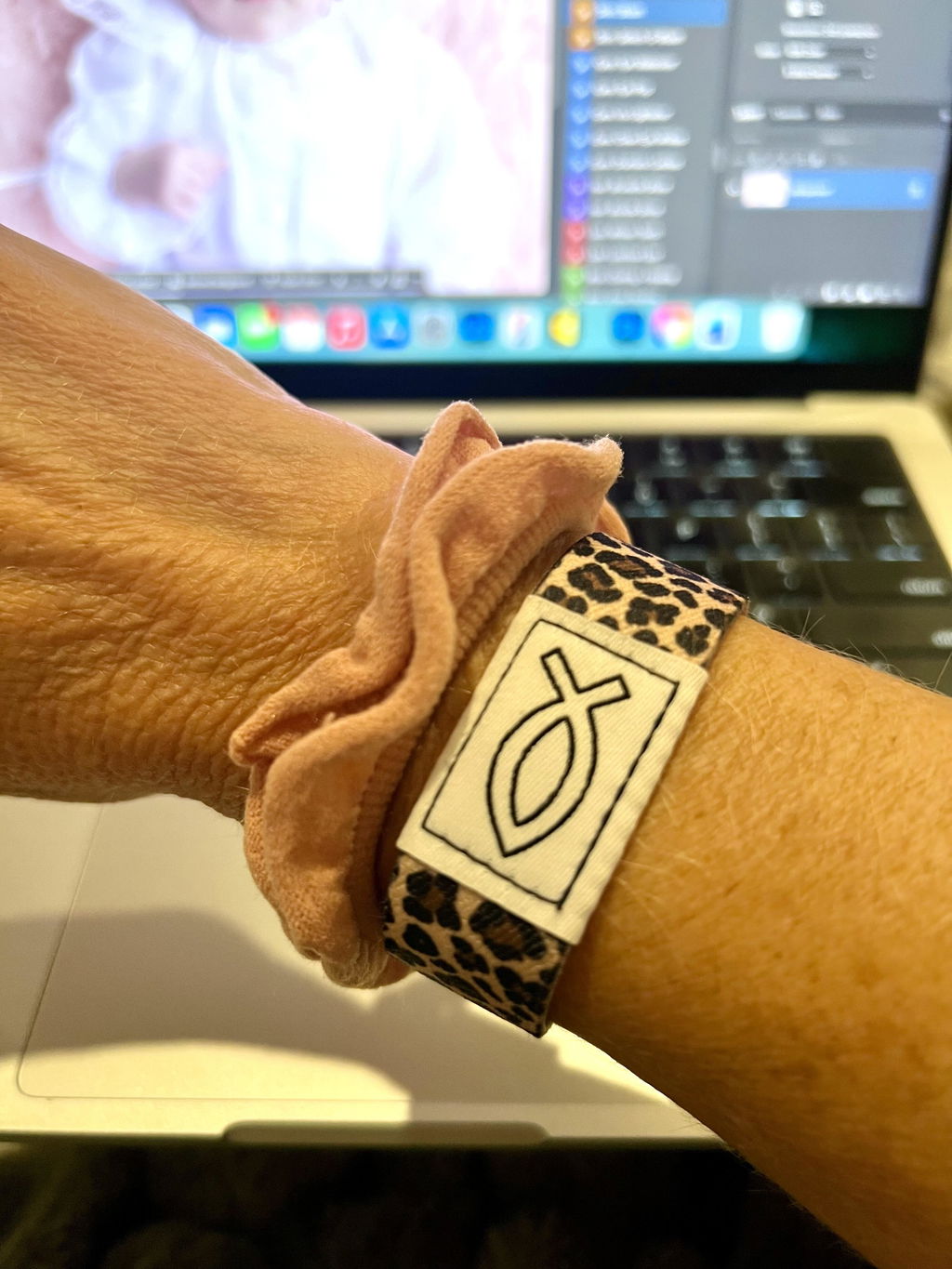
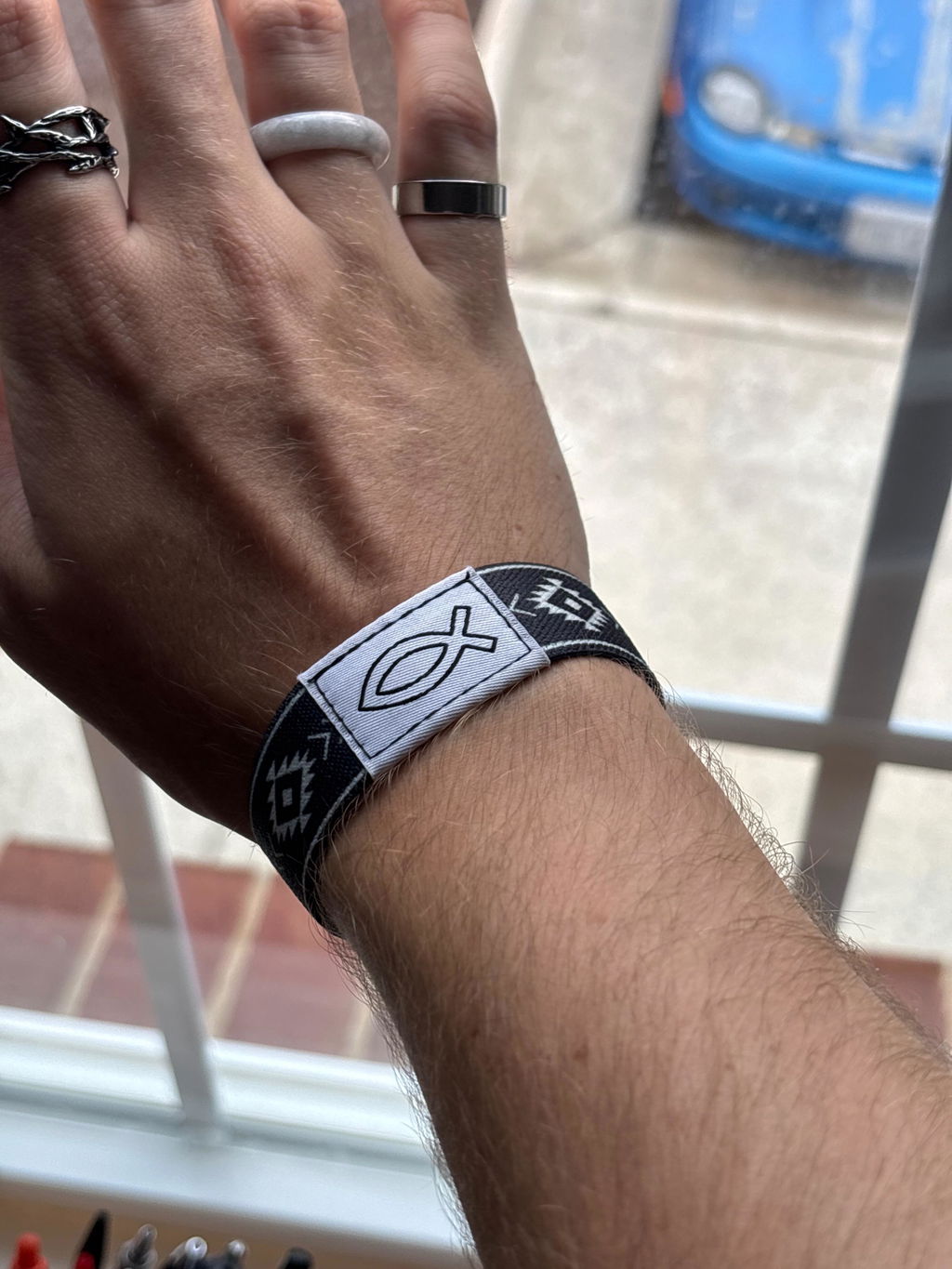
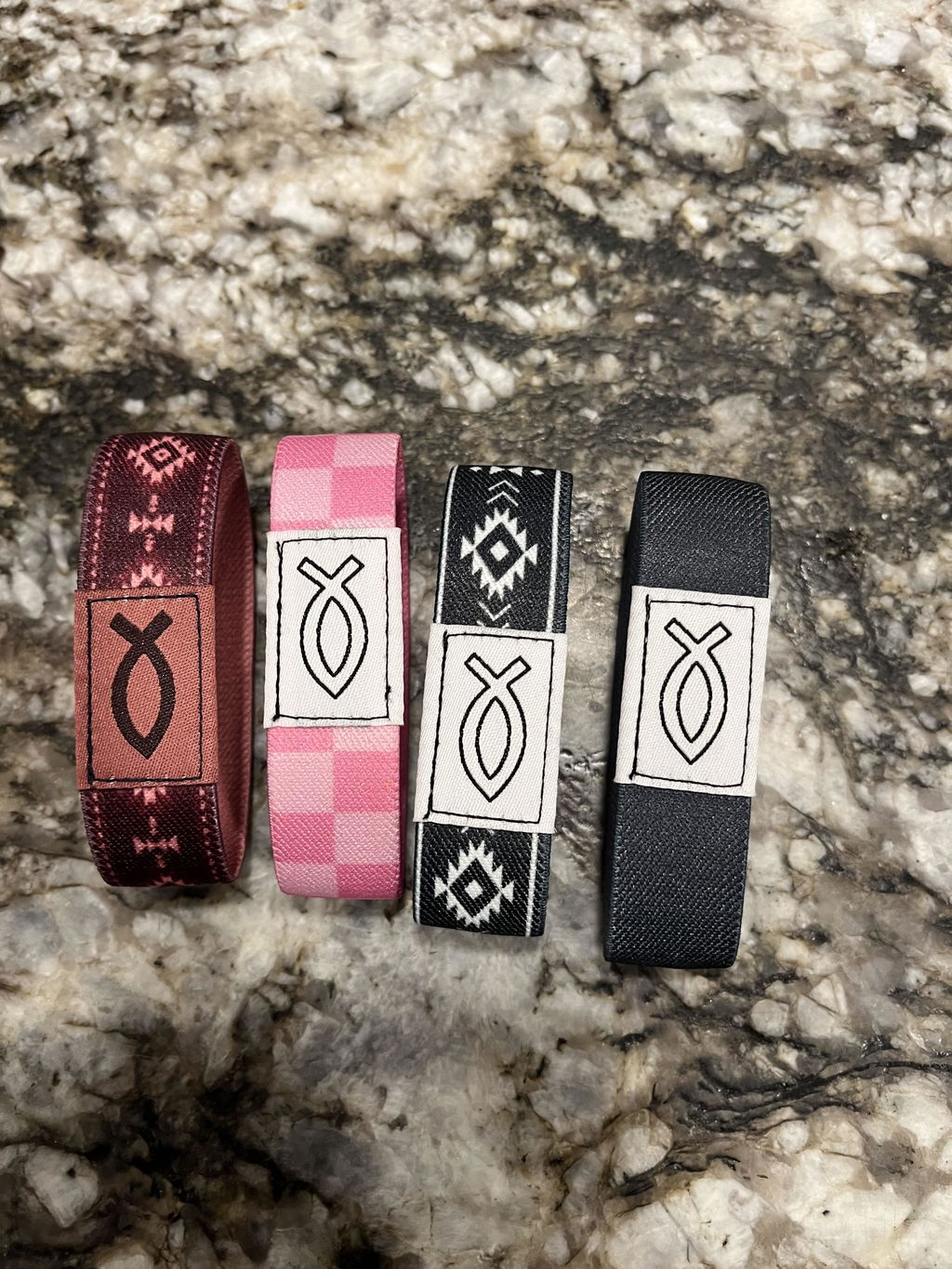
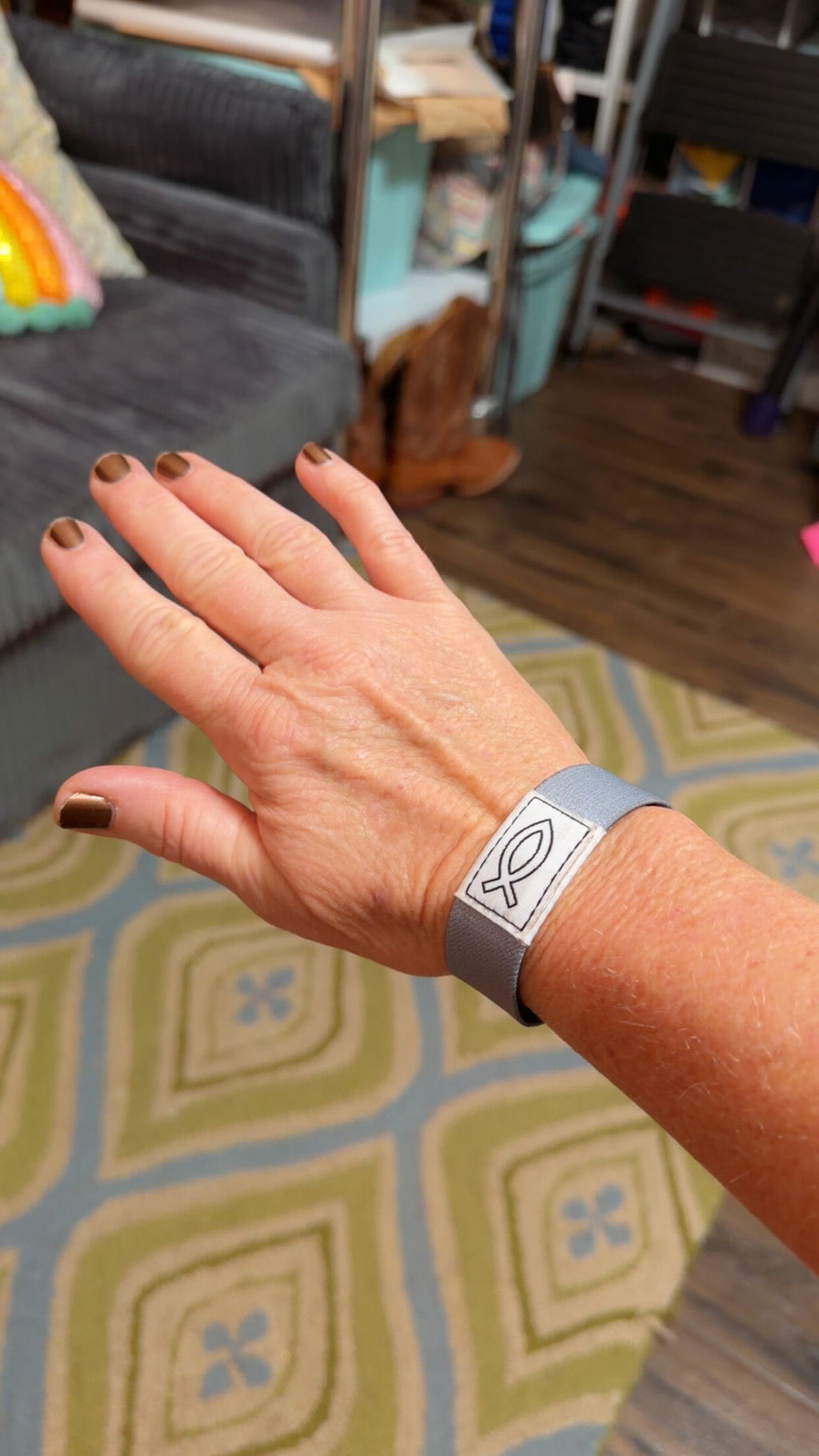
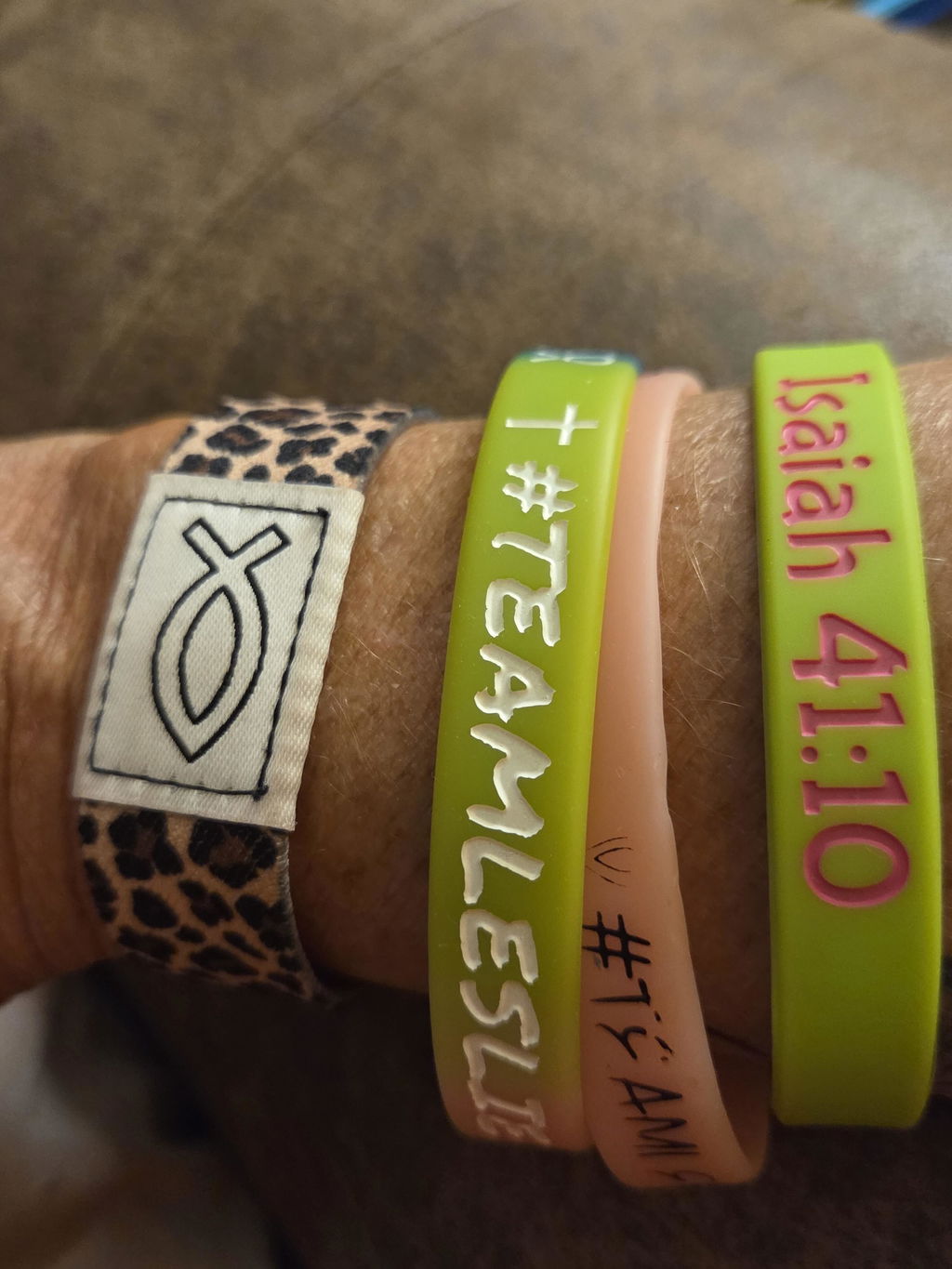
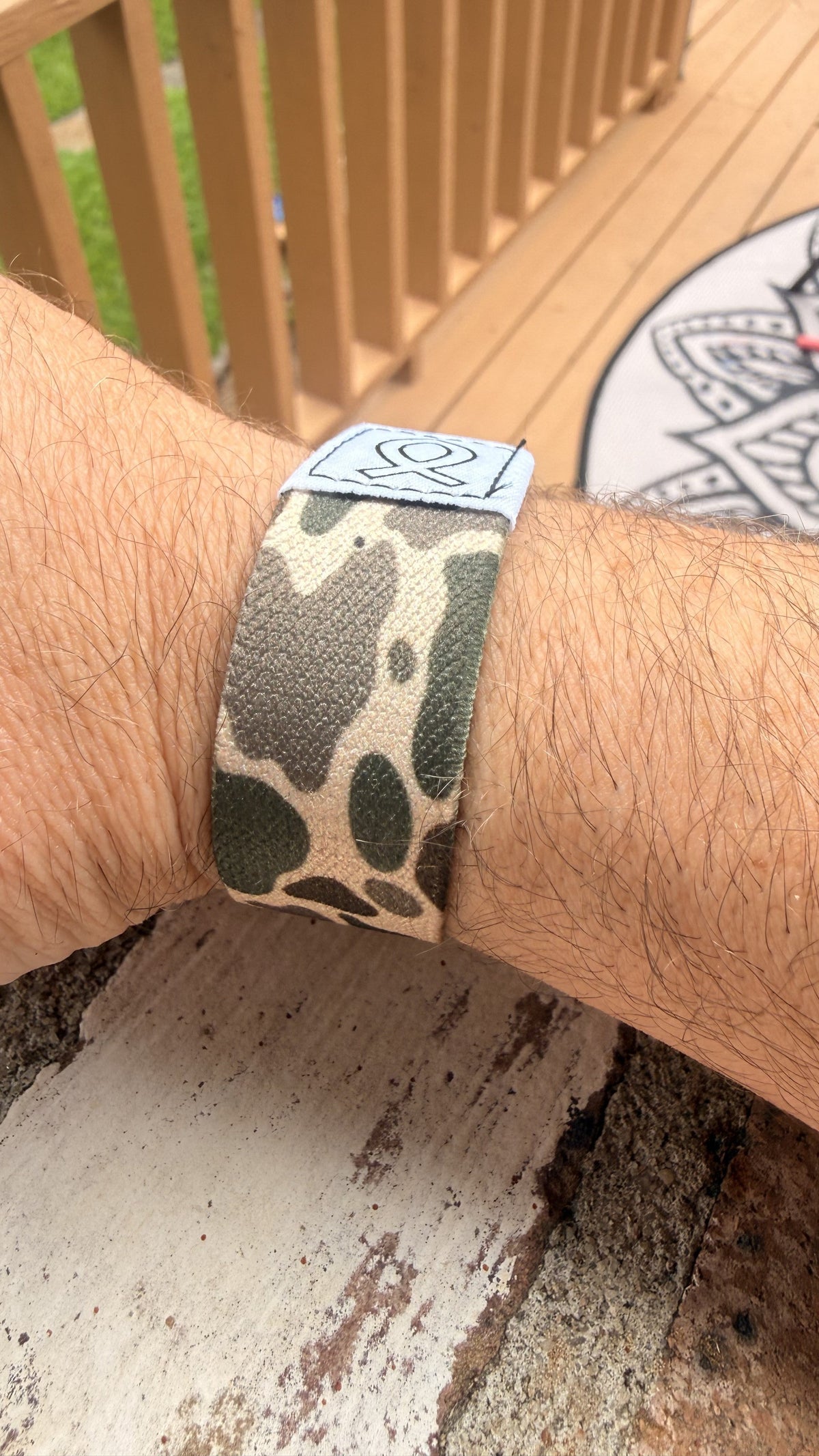
The Bible Band Christian NFC wristband uses a pre-programmed NTAG213 chip. A compatible iPhone or Android phone reads the tag and opens the Bible Band page in the browser. There is no app, account, or monthly subscription.
The page provides daily Scripture, a pastor-written devotion, guided prayer, audio, large print, and a free one-year Bible reading plan. The band is a physical reminder and a quick doorway to the content; it does not replace your Bible, church, or Christian community.
Simple NFC safety habits
- Check the destination. Before opening any unfamiliar tag, look at the web address shown by your phone.
- Use tags from a trusted source. Do not tap random stickers or altered tags in public places.
- Keep your phone updated. Current software includes important browser and security fixes.
- Teach teens to pause before opening. The same rule applies to NFC links, QR codes, texts, and emails.
- Do not enter sensitive information unexpectedly. A daily devotional page should not suddenly ask for banking credentials or a password.
Frequently asked questions
Does an NFC tag have a battery?
A passive NFC tag does not need a battery. It is powered briefly by the NFC field from the phone during a tap.
Can an NFC bracelet read everything on my phone?
A normal passive tag presents a small stored instruction to the phone, such as a link. Your phone decides what to do next and normally displays a prompt before opening the destination.
Can I turn NFC off?
Many Android phones offer an NFC toggle in Settings. iPhone handling varies by model and system version, but you can always choose not to open the prompt.
A simple tool, used wisely
NFC should be treated like any other link: verify the source and pay attention to the destination. Used that way, a Christian NFC bracelet can be a low-friction reminder to pause, read Scripture, and pray.